Writer
Have you ever noticed how some classrooms feel calm, welcoming, and connected the moment you enter?
Children greet each other confidently, share ideas freely, and feel safe and secure being themselves.
That sense of ease does not happen coincidentally.
It grows from thoughtful classroom routines that aid emotions, relationships, and trust.
In today’s rapid-paced world, academic learning alone is not enough.
Children also need emotional safety, belonging, and strong, meaningful relationships to truly thrive.
That is why social emotional learning in schools has become crucial, not optional.
At Tapas Education in South Bangalore, routines are designed with intention.
They are not rigid rules.
They are gently eased-in structures that help children feel seen, heard, and valued every day.
In this blog, you will learn:
What classroom routines truly mean
Why they signify student wellbeing in education
How routines assist in building classroom community
Real examples from Tapas classrooms
Daily simple ways parents can support similar routines at home
Let’s find out how small daily practices create strong, caring learning communities.
What Are Classroom Routines?
Classroom routines are simple, repetitive actions that shape daily school life.
They guide how children enter, learn, interact, and contemplate together.
Routines can include:
Morning check-ins
Group discussions
Reflection circles
Transition rituals
Unlike strict rules, routines generate predictability and comfort.
Children know what to expect, which helps them feel safe and confident.
Why Routines Matter for Emotional Safety
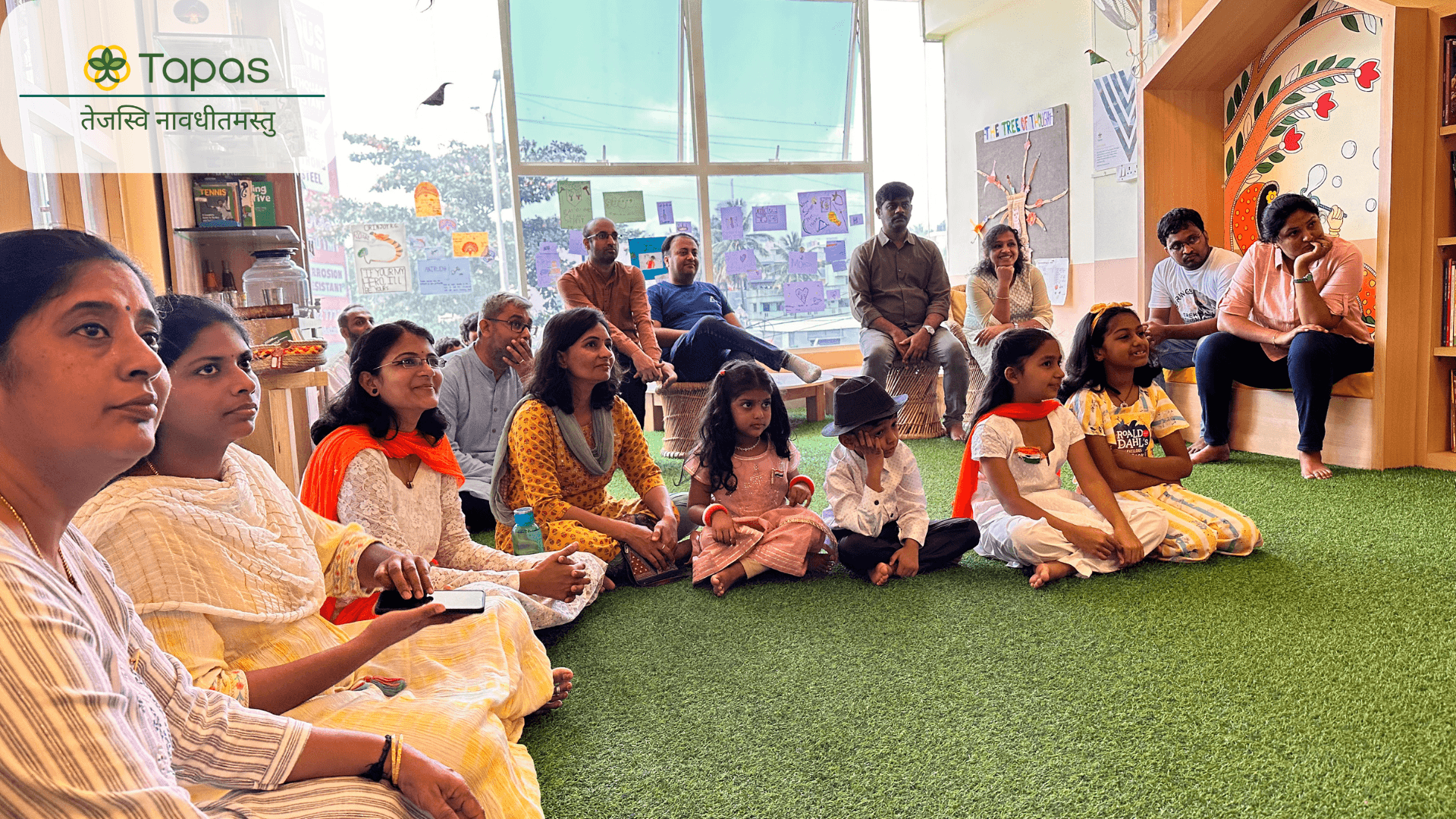
Children learn best when they feel emotionally secure.
Uncertainty and fear obstruct curiosity and focus.
Well-designed routines support social emotional learning in schools by:
Decreasing anxiety
Building trust with teachers and peers
Encouraging reverent and civil communication
Helping children understand and manage emotions
Research shows students perform much better academically when they feel a sense of belonging.
Emotional safety becomes the foundation for all types of learning.
Advantages of Strong Classroom Routines
Thoughtful routines impact both learning and behaviour positively.
Here are the key benefits:
Sense of Belonging
Children feel welcomed as part of a community.Improved Student Wellbeing
Predictable routines lessen stress and emotional overload.Better Communication
Consistent sharing builds listening and expression skills.Stronger Peer Relationships
Shared routines stimulate empathy and cooperation.Increased Responsibility
Children take accountability of their actions and choices.
These benefits directly support student wellbeing in education and permanent growth.
How Tapas Builds Community Through Routines
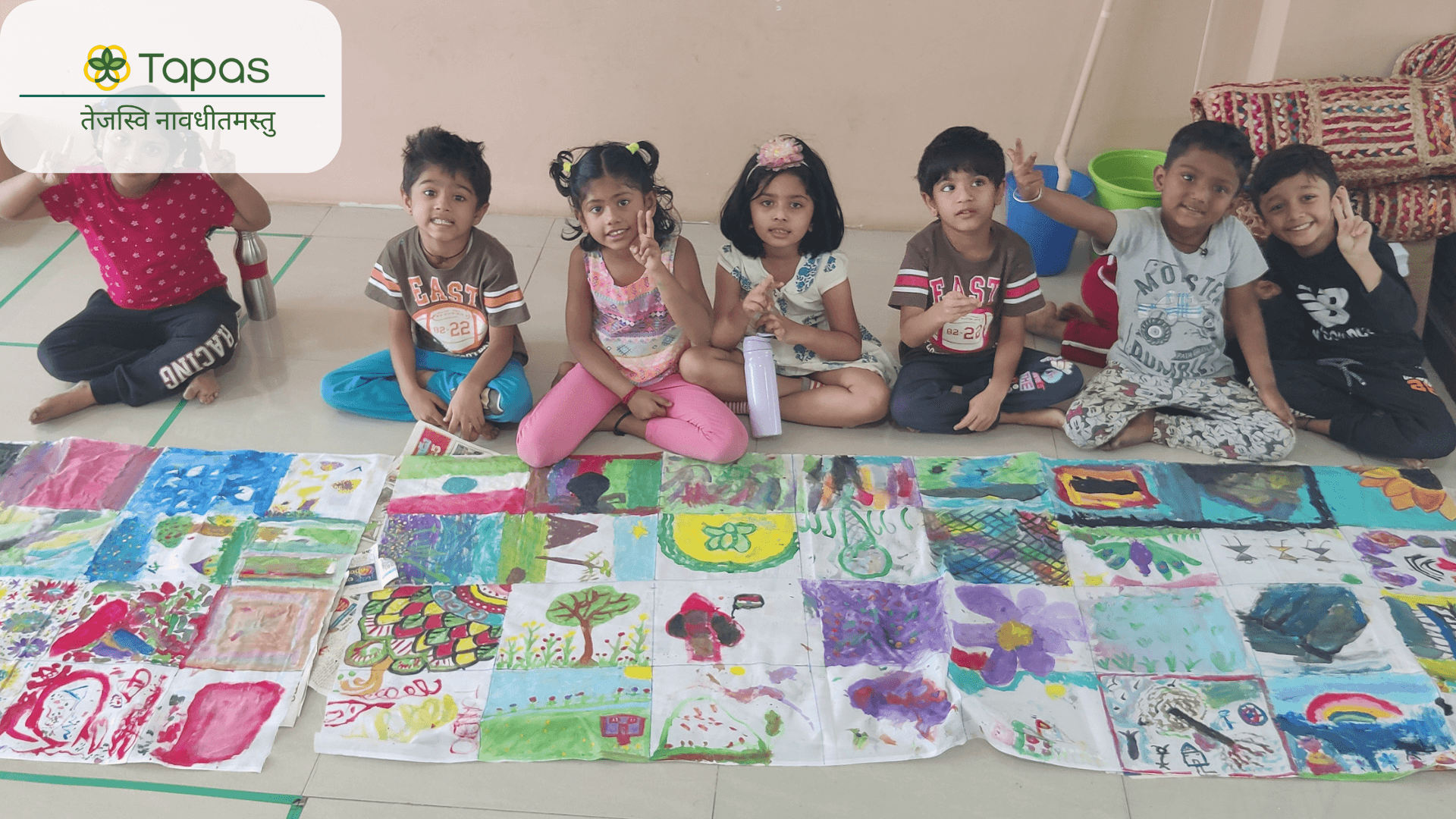
At Tapas Education, routines are designed to foster connection, not control.
They support both learning and emotional development.
ROUTINE | PURPOSE | OUTCOME |
Morning Circle | Emotional Check-In | Trust and Openness |
Gratitude Sharing | Positive Mindset | Emotional Awareness |
Collaborative Planning | Shared Decision-Making | Responsibility |
Reflection Time | Self-Awareness | Calm Closure |
Real Classroom Example
In a Tapas classroom, each day begins with a “How are you feeling?” circle.
Children choose emotion cards and divulge their feelings if they wish.
This simple routine brings conflicts down measurably and builds empathy naturally.
Simple Steps Teachers Use to Build Safe Classrooms
Teachers at Tapas follow clear but flexible practics:
Begin each day with connection, not content
Employ consistent signals for transitions
Enforce respectful listening during discussions
Normalize mistakes as learning periods
End the day with reflection and gratitude
These steps strengthen building a classroom community without pressure, unease or fear.
How Parents Can Support Routines at Home
Community-building routines do not stop and should not stop at school.
Home routines also shape emotional security.
Try these simple ideas:
Start the day with a calm check-in
Share one positive moment at dinner
Keep congruent bedtime rituals
Encourage open conversations without judgment
Celebrate effort, not just results
These small habits fortify emotional safety everywhere.
FAQs
Do routines make classrooms too rigid?
No. They create freedom within secure boundaries.
Are routines important for older children?
Yes. They boost emotional regulation at every age.
Do routines affect academic performance?
Certainly. Emotional wellbeing improves focus and learning outcomes.
Conclusion
Strong classrooms are built on relationships, not fright.
Routines are the silent tools that make children feel safe, valued, and connected.
At Tapas Education, classroom routines support learning, empathy, and a sense of belonging together.
They help children grow not just academically, but emotionally and socially.
When children feel they belong, learning happens naturally.
Want to see how community-focused classrooms work in real life?Visit Tapas Education in South Bangaloreand experience a school built on trust, care, and connection.