Writer
Sustainability education in schools teaches children how human choices affect the planet, communities and future generations. Modern classrooms now focus on helping children understand environmental challenges while developing empathy, responsibility and global awareness. When children learn to care about the world, they begin to take meaningful action in their communities and everyday lives.
Across the world, educators and parents are asking for teaching methods that go beyond academics. Climate change, social inequality and global challenges require thoughtful and compassionate citizens. Countries across Asia, Europe and Africa are including sustainability and social awareness modules to prepare children for the realities of modern life.
Key takeaway: eco-conscious learning programs for children and progressive education for global citizenship help young learners become responsible, aware and future-ready changemakers.
What is sustainability education in schools
Sustainability education in schools teaches children how resources are used, how ecosystems work and why environmental protection matters. It encourages responsible thinking and informed decision making from a young age.
• Understanding natural resources
• Learning about waste, pollution and recycling
• Exploring renewable energy
• Caring for nature and biodiversity
• Building everyday eco-conscious habits
Why does sustainability matter to children
• They learn how daily actions impact the planet
• They understand long-term responsibility
• They become thoughtful about consumption
• They develop problem-solving skills
Sustainability is not only about nature, it is about the future that children will inherit.
Why do children need social awareness today
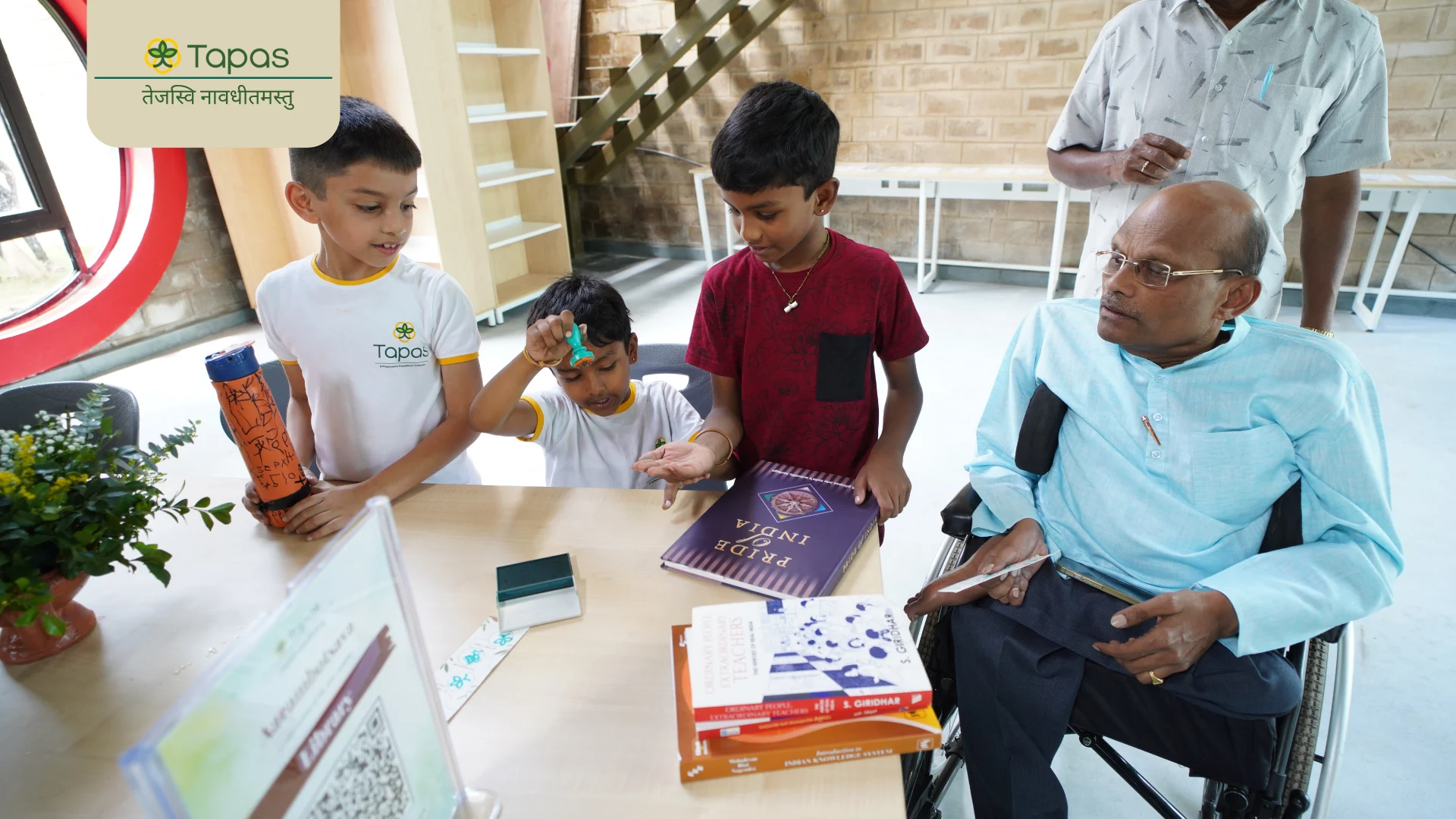
Social awareness helps children understand people, communities and cultures around the world. When learners understand diversity, kindness and empathy, they become more tolerant and responsible.
• Builds compassion and understanding
• Encourages respect for different cultures
• Helps children recognize inequalities
• Develops communication and empathy
• Encourages positive action in society
Modern education is not only about academic excellence, it is about building thoughtful human beings who contribute to society.
How does sustainability empower young changemakers
When children learn to care for the planet, they begin to notice problems and think about solutions. They move from awareness to action.
• Builds responsibility
• Encourages curiosity about nature
• Helps children design solutions
• Makes them conscious consumers
• Motivates meaningful change
What do changemakers look like in classrooms
• Students who ask questions
• Children who suggest solutions
• Learners who take action
• Students who influence peers
Small actions today can shape responsible citizens tomorrow.
What are eco-conscious learning programs for children
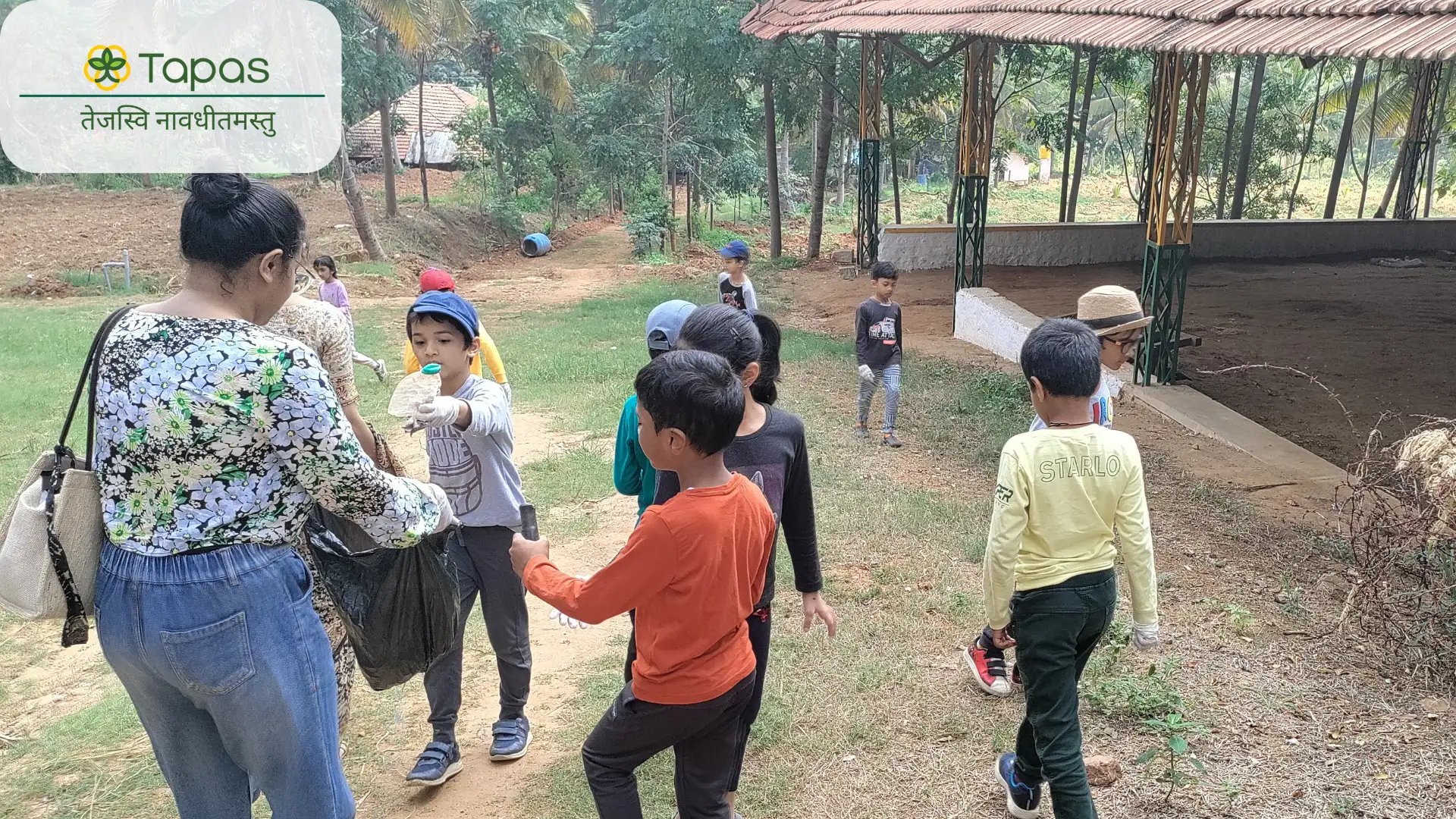
Eco-conscious learning programs for children focus on real experiences and nature-based learning. They help learners connect with the environment through active exploration.
• Composting and waste segregation
• Gardening and growing plants
• Water conservation activities
• Nature observation
• Environmental projects
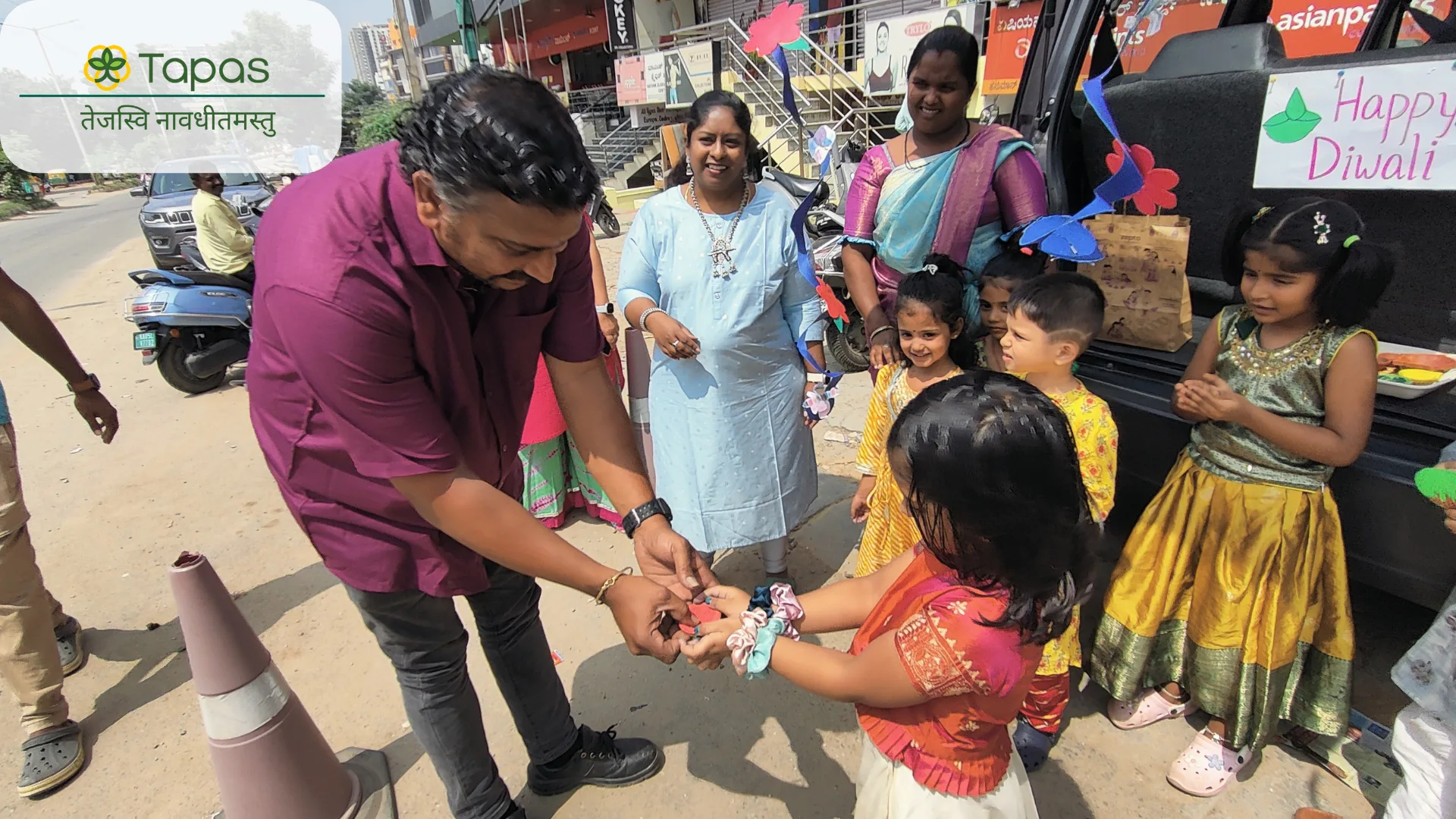
How do these programs build real skills
• Critical thinking
• Teamwork
• Research skills
• Problem solving
• Personal responsibility
Environmental action is more powerful when children lead it.
What is progressive education for global citizenship
Progressive education for global citizenship teaches children that they are part of a global community. It helps them understand that their choices affect people and environments everywhere.
• Encourages respect for all cultures
• Develops global awareness
• Encourages ethical thinking
• Promotes fairness and equality
• Builds responsible global citizens
Why does global citizenship matter
• The world is connected
• Challenges are global
• Solutions require cooperation
• Children need global awareness
When children learn about global challenges, they begin to think beyond themselves and become conscious individuals.
How are schools in India embracing sustainability and global awareness
Progressive schools in Bangalore, Pune and Delhi are integrating sustainability themes, project-based learning and environmental education. Many schools now include recycling drives, nature-based projects and awareness campaigns to help children take responsibility for their surroundings.
Indian cities are also adopting green initiatives and encouraging schools to participate in sustainable practices. Parents increasingly choose schools that focus on meaningful and conscious education rather than only exam-based learning.
Sustainability education in schools combined with eco-conscious learning programs for children helps young learners understand responsibility, community and the environment. Progressive education for global citizenship builds compassionate thinkers who are prepared to shape a better future.
Discover how Tapas Education nurtures global awareness and sustainability values at https://tapaseducation.com/
.
Frequently Asked Questions
Why should sustainability be taught in schools?
Because children will inherit the planet and need to learn how to protect it through informed thinking and responsible choices.How does sustainability education help my child?
It builds critical thinking, environmental awareness and responsible habits that last a lifetime.What are examples of eco-conscious activities?
Gardening, composting, recycling, water conservation and nature exploration.What is global citizenship for children?
Understanding how communities and cultures across the world are connected and learning to respect and support them.How do these programs affect academic learning?
Children who understand the world deeply often become more curious, confident and motivated learners.