Writer
Experiential learning means children learn through real experiences rather than only from textbooks. Life skills education in schools focuses on developing abilities like communication, decision making, collaboration and emotional intelligence. These approaches help students become confident individuals who can adapt, solve problems and thrive in future environments.
Around the world, educators and governments are redesigning learning systems because academic knowledge alone is no longer enough. Countries in Europe, Asia and the Middle East are integrating experiential modules and skills based curriculum so children can succeed in the real world and not just in exams.
Key takeaway: Experiential learning benefits for students combined with life skills education in schools are essential for building future ready skills for children.
What is experiential learning
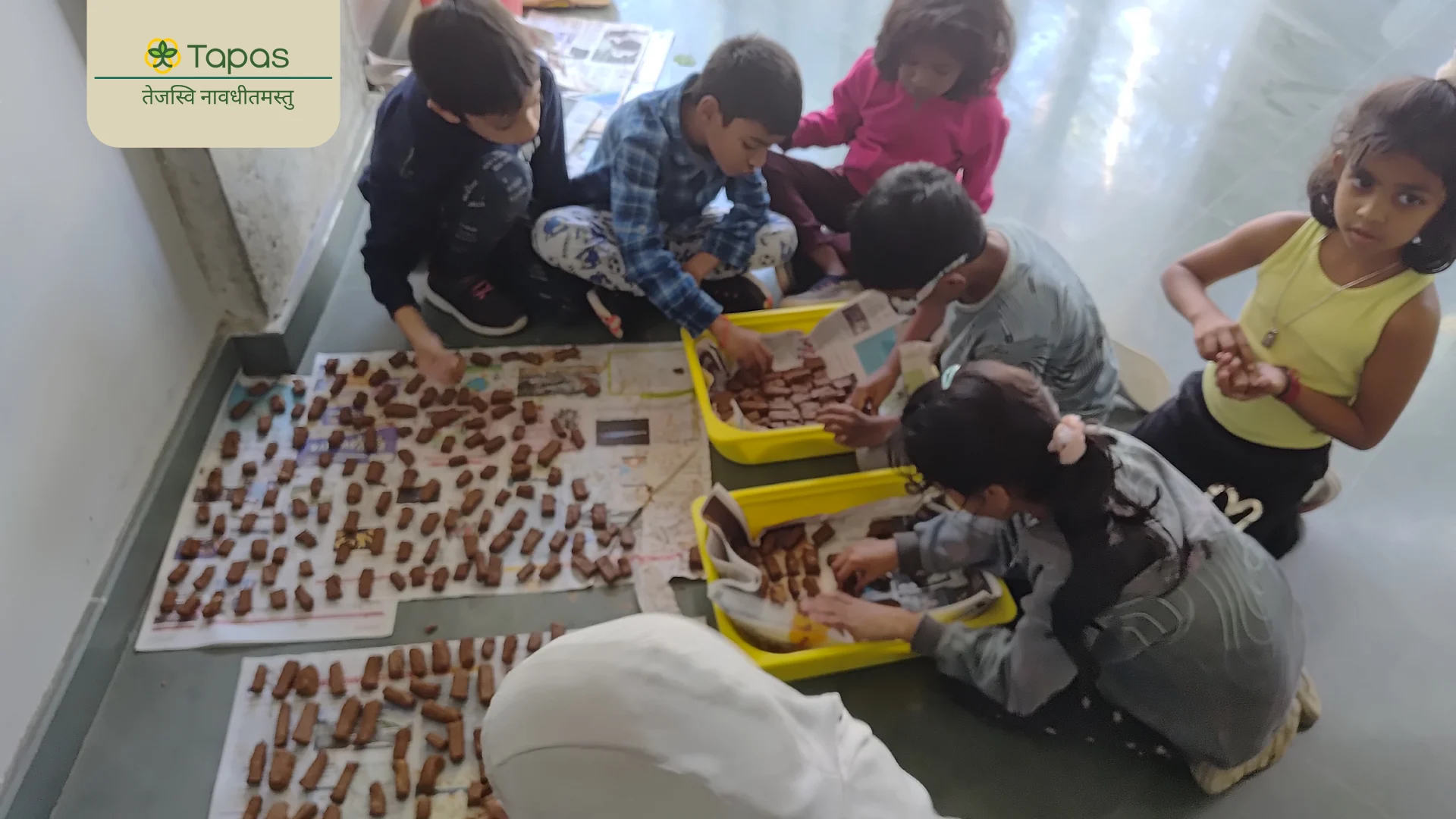
Experiential learning is learning by doing, observing, questioning and reflecting. It allows children to understand ideas through real experiences rather than only through theoretical explanations.
• Students interact with real situations
• Children learn through investigation and problem solving
• Mistakes become part of the learning process
• Understanding becomes deeper and memorable
• Learners stay motivated and curious
Why is experiential learning so meaningful
• Children explore real world examples
• Concepts are understood in context
• Learning becomes active
• Children think for themselves
Experiential learning benefits for students include stronger academic understanding along with practical and emotional growth.
Why do schools need life skills education
Life skills education in schools teaches children the skills required to handle challenges, communicate clearly and make thoughtful decisions. Memorising content alone does not prepare children for real life situations where emotions, teamwork and responsibility play an important role.
• Children learn how to express feelings
• Develop confidence and self awareness
• Understand appropriate decision making
• Build relationships and communication
• Learn to manage stress and emotions
Traditional learning often focuses on correct answers, but life skills help children understand people, situations and themselves.
What are the core life skills children need
Life skills are abilities needed in everyday situations and future workplaces. They help children navigate life confidently, communicate clearly and adapt to changes.
• Communication
• Critical thinking
• Collaboration
• Creativity
• Emotional intelligence
• Decision making
How do life skills support academic success
• Better focus
• Improved problem solving
• Strong teamwork in projects
• Higher motivation
• Confidence to ask questions
When children learn how to think, not just what to think, they begin to enjoy learning and explore knowledge independently.
How does experiential learning build future ready skills
Experiential learning benefits for students include developing skills that modern careers require. Future workplaces will need creative thinkers who can collaborate, adapt and communicate effectively.
• Encourages curiosity
• Develops research habits
• Strengthens presentation and communication
• Builds problem solving
• Improves collaboration
• Encourages independent thinking
What does future ready mean for children
• Ability to handle new challenges
• Confidence to try new ideas
• Flexibility to adapt
• Creativity in thinking
• Awareness of personal strengths
Future ready skills for children go beyond academic results and help them grow into confident and capable individuals.
What does experiential learning look like in real classrooms
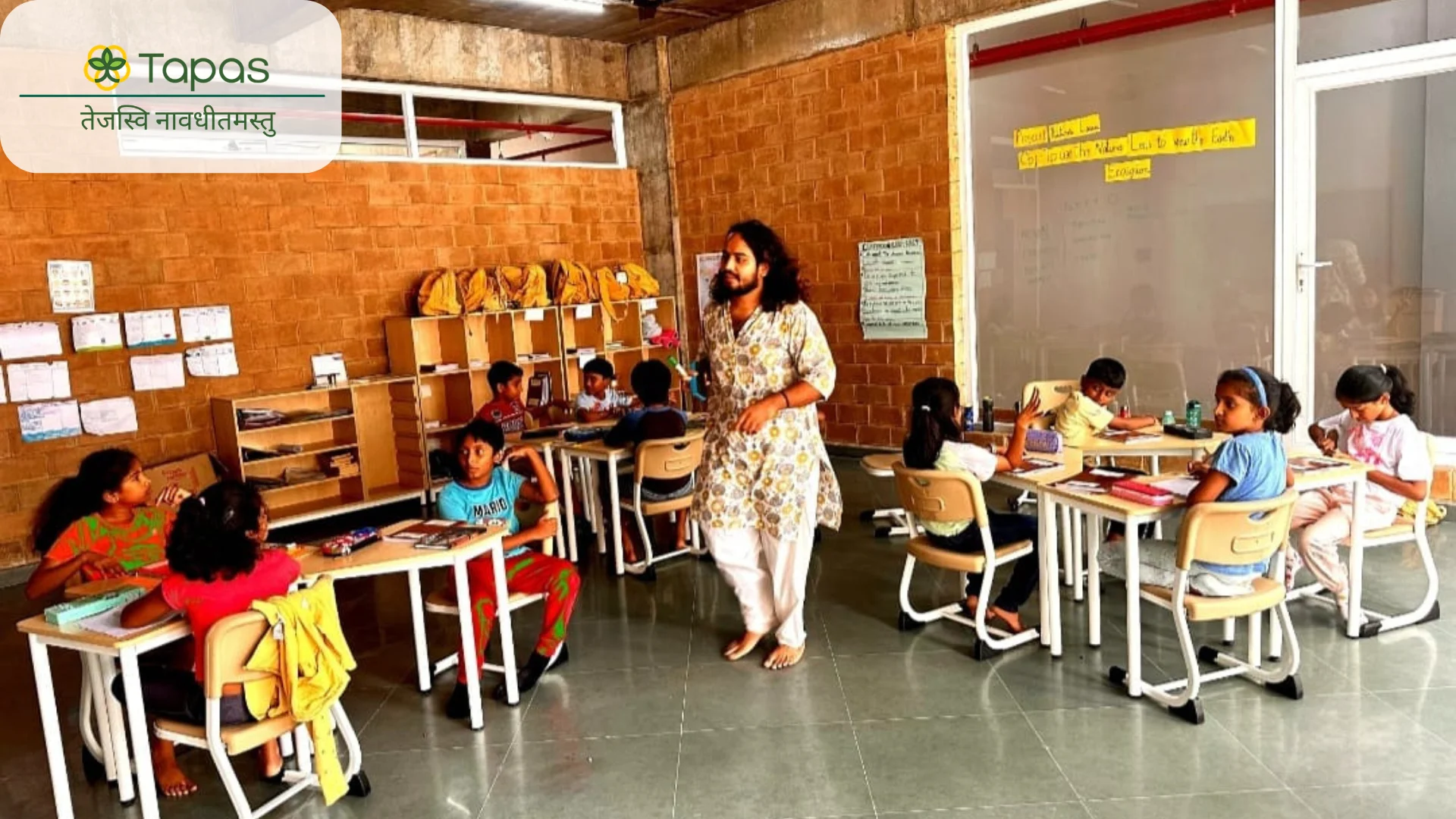
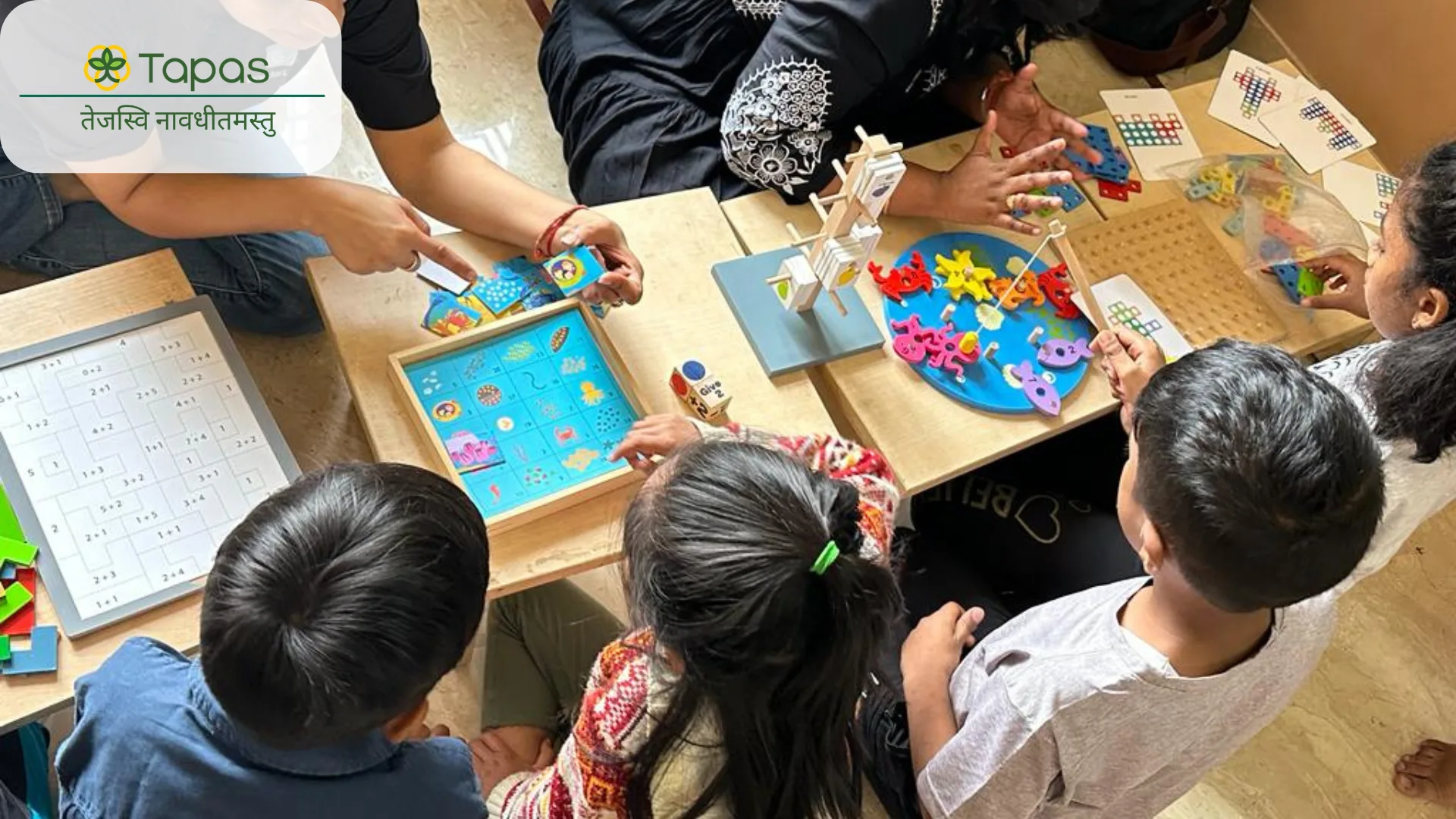
Modern classrooms are already integrating hands on experiences, project based tasks and inquiry driven activities. Instead of learning only from books, children explore themes through real world examples.
• Working on sustainability projects
• Creating design based solutions
• Exploring environment based themes
• Integrating arts, science and technology
• Using observation and investigation
How can teachers encourage experiential learning
• Provide open ended tasks
• Ask reflective questions
• Encourage curiosity
• Offer choice in projects
When children feel responsible for their learning, they develop independence and ownership.
How India is adopting experiential and skills based learning
Across India, new education reforms encourage flexible learning, skill development and experiential modules. Many progressive schools in Bangalore, Pune and Chennai are already integrating real world experiences and life skills based teaching. Parents are choosing learning environments that prioritise emotional and creative growth instead of only exam scores.
Cities across India are becoming hubs for experiential programs, design thinking workshops and future ready skills for children that go beyond textbooks.
Conclusion
Experiential learning benefits for students combined with life skills education in schools help children grow into confident, thoughtful and future ready individuals. These approaches build curiosity, resilience and the ability to handle real challenges rather than only academic tests.
To explore a school that focuses on experiential learning and future ready learning, visit Tapas Education at https://tapaseducation.com/
.
Frequently Asked Questions
How does experiential learning help children?
It helps children understand concepts through real situations, making learning deeper and long lasting.Why are life skills important in schools?
Life skills help children manage emotions, communicate well and take responsible decisions in real life situations.What are examples of life skills?
Communication, collaboration, problem solving, emotional intelligence and decision making.What is the best way to build future ready skills?
Allow children to explore real tasks, think independently, work in teams and practice problem solving.Will experiential learning improve my child’s academics?
Children who understand deeply often perform better because learning becomes meaningful and relevant.