Writer
Ever noticed how children learn fastest when they are playing?
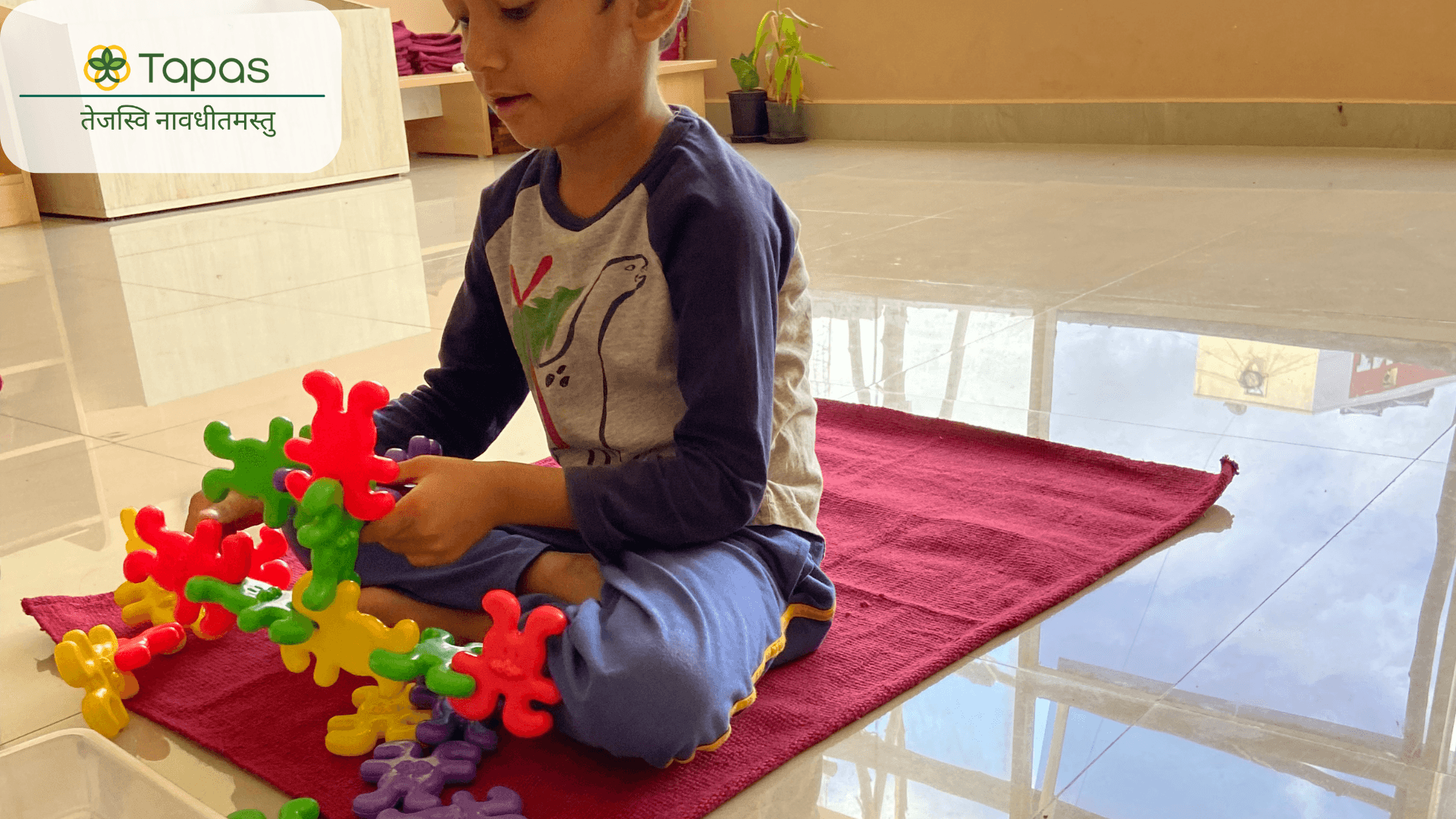
A child building blocks adapts to balance, planning, and patience without realising it.
A child pretending to run a shop learns math, language, and social skills most naturally.
This is the power of play based learning.
It turns joy into a learning tool and curiosity into extreme understanding.
In many conventional classrooms, play is treated as a break from learning.
At Tapas Education in Bangalore, play is learning.
It is the foundation of a child centered education model that respects how children actually think and grow.
Play-based learning is not about unbound chaos.
It is guided, intentional, and deeply meaningful.
It supports early and middle school learning by building thinking skills earlier on than other methods and strengthening them over time.
In this blog, you will learn:
What play-based learning actually means
Why learning through play builds strong thinking skills
Key benefits for early and middle school children
Real examples from Tapas classrooms
How parents can support play-based learning at home
Let’s check out how joy becomes a powerful teacher.
What Is Play-Based Learning?
Play based learning means children conceptualise through play, exploration, and hands-on experiences.
Instead of passive listening, children actively engage with materials, people, ideas and goals.
Play can include:
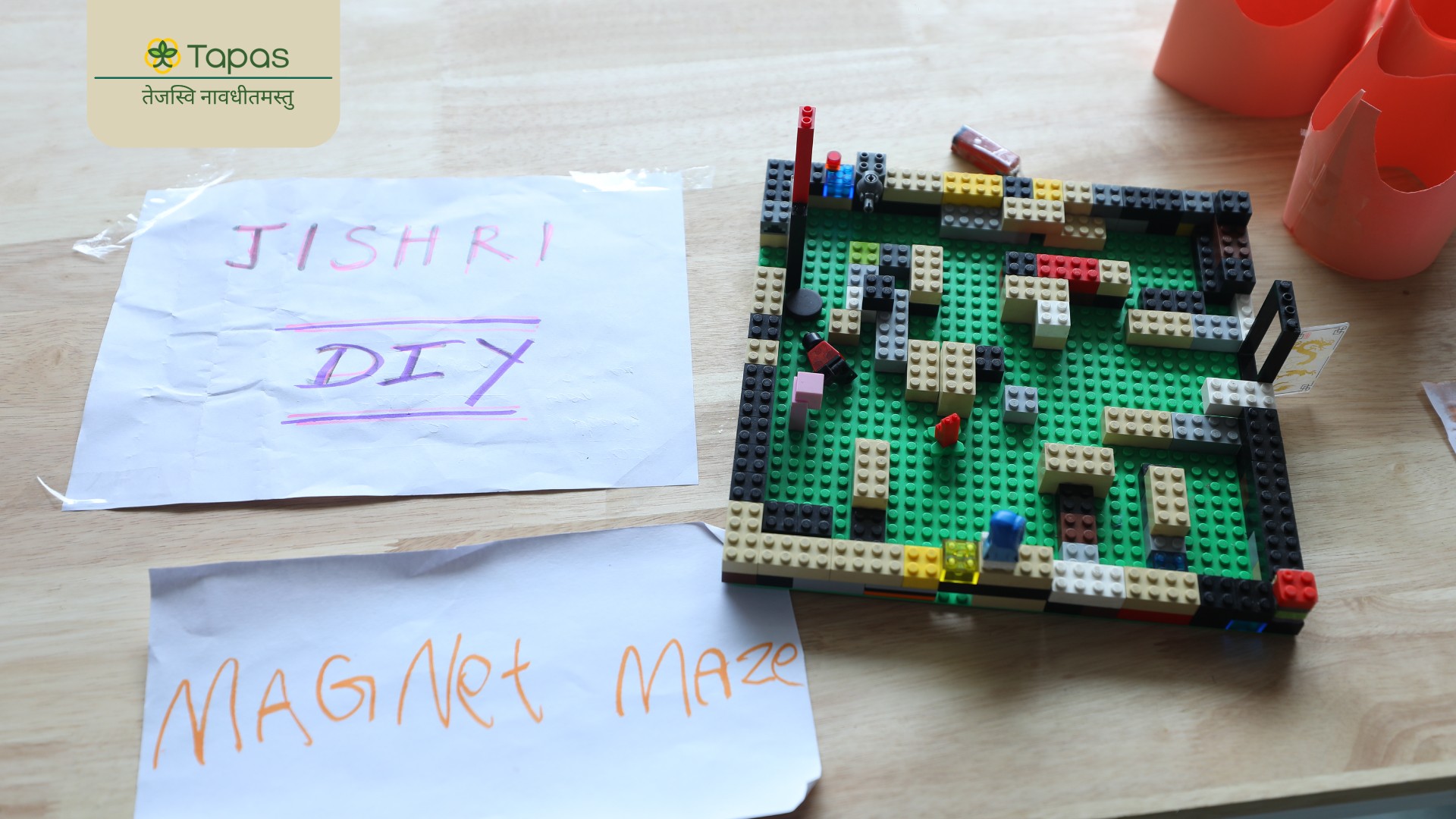
Building and designing
Role-playing real-life situations
Games with rules and challenges
Creative art, music, and movement
In learning through play, children make choices, test ideas, and learn from the results.
This symbolises how the brain naturally learns best.
Why Play Matters in Early and Middle School Learning
Play is not only for toddlers.
It is critical for early and middle school learning too.
As children evolve, play becomes more complex.
It supports higher-order thinking like reasoning, planning, and problem-solving.
Research shows children retain concepts better when learning feels meaningful and fun.
When children enjoy learning, motivation comes from within.
As educator Fred Rogers once said:
“Play is often talked about as if it were a relief from serious learning. But for children, play is serious learning.”
Key Benefits of Learning Through Play
Play-based learning develops both academic and life skills.
Here are the foremost major benefits:
Stronger Thinking Skills
Children analyse situations, make decisions, and alter strategies while playing.Improved Emotional Regulation
Play teaches patience, empathy, and coping with small defeats.Better Communication Skills
Role-play and group games encourage listening and expression.Absolute Collaboration
Children learn teamwork without forced group work.Deeper Concept Understanding
Concepts learned through experience remain longer than memorised facts.Confidence and Independence
Children trust their ideas and feel worthy of solving problems.
How Tapas Education Uses Play-Based Learning
At Tapas Education, play is thoughtfully woven into every subject.
It supports a truly child centered education approach.
PLAY ACTIVITY | LEARNING AREA | THINKING SKILLS BUILT |
Pretend Marketplace | Math & Social Studies | Planning, Negotiation |
Building Bridges with Blocks | Science | Problem-Solving |
Store Role-Play | Language | Sequencing, Expression |
Strategy Board Games | Math & Logic | Reasoning, Focus |
Real Classroom Example
Students once explored “transport” by designing vehicles using recycled substances.
They tested speed, balance, and strength through play.
Without worksheets, they understood physics concepts distinctly and confidently.
Simple Steps Teachers Use to Guide Play
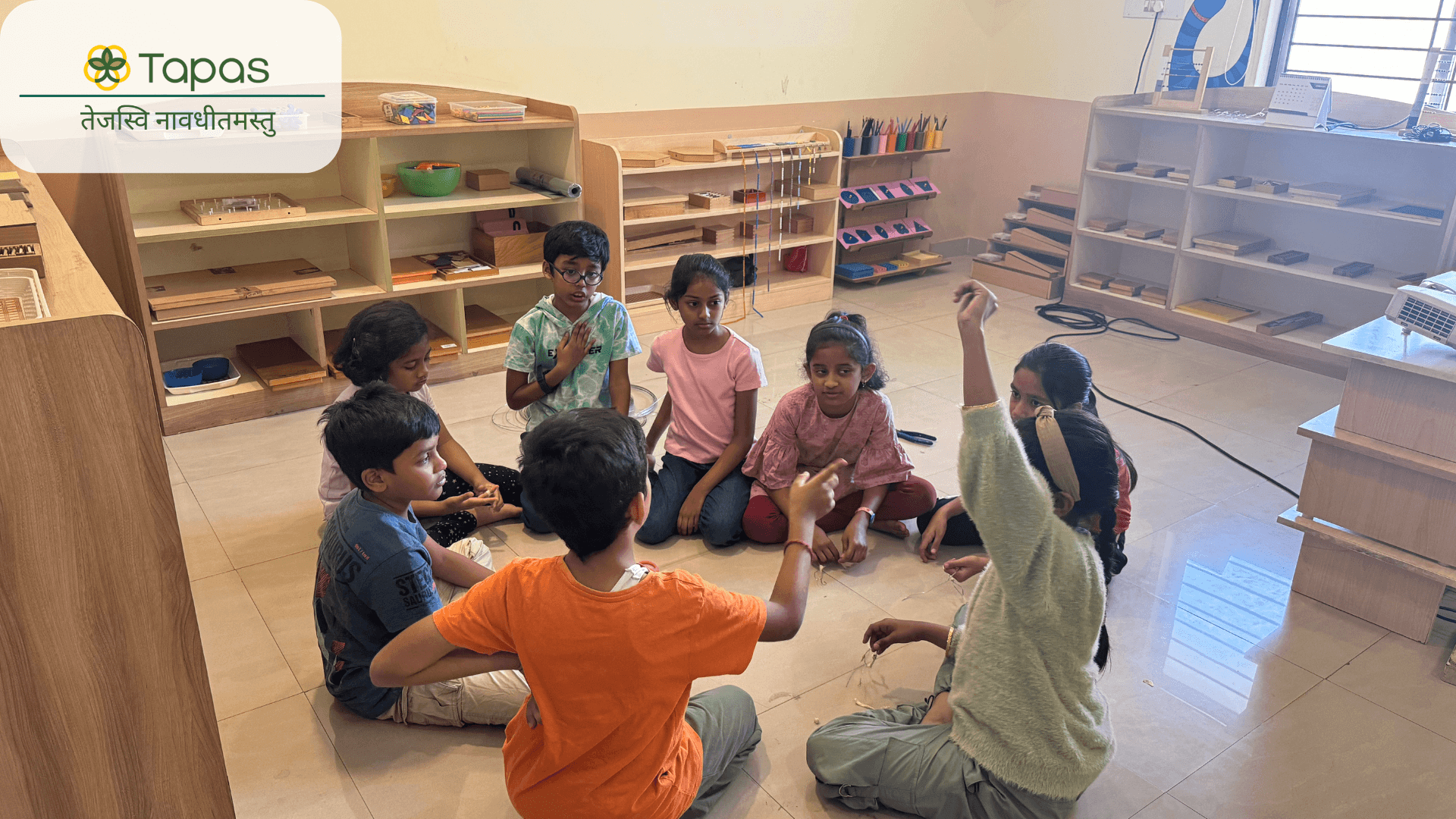
Play at Tapas is assembled yet flexible.
Teachers guide learning without controlling it.
They follow these steps:
Set a comprehensible purpose for the play
Proffer open-ended materials
Ask pensive questions during play
Observe rather than break in
Mirror together after play ends
This ensures joy and learning move together.
How Parents Can Support Play-Based Learning at Home
You don’t need toys or screens.
Effortless play builds strong thinking skills.
Try these ideas:
Let children solve miniscule daily problems independently
Encourage imaginary play with household objects
Play board games that are vital for strategy
Ask “What do you think will happen next?”
Permit unstructured time without instructions
These moments reinforce confidence and curiosity.
FAQs
Is play-based learning academic enough?
Yes. It moulds strong foundations for reading, math, and reasoning.
Does play reduce discipline?
No. Clear boundaries with privilege teach responsibility.
Is play suitable for older children?
Certainly. Play evolves into simulations, projects, and strategy-based learning.
Conclusion
Play is not an intrusion in learning.
It is the pathway to deep thinking and understanding.
At Tapas Education , children learn because they are curious and not because they are forced.
Through play based learning, joy becomes the catalyst.
When children learn through play, they build thinking skills that last forever.
Want to see joyful learning in action?Visit Tapas Education in Bangalore and experience a classroom where thinking expands through play.