Writer
What if classrooms focused more on how children learn and not what teachers teach?
Imagine students asking questions, exploring ideas, and leading discussions with confidence.
This is the foundation of student centered learning philosophy.
It pivots from teaching content to supporting how children understand, explore, and apply knowledge.
Many parents today want education that builds confidence, inquisitiveness, and real-world thinking.
That is why schools internationally are moving toward child led learning and personalized learning in schools.
At Tapas Education in South Bangalore , learning begins with the child.
Teachers guide, support, and design experiences that help every student grow at their own learning pace.
In this blog, you will learn:
What student-centered learning truly means
Why it is significant for modern learners
How it aids personalized and child-led learning
Real classroom examples from Tapas
What parents should know about progressive learning
Let’s recce how shifting power to learners builds confident, independent thinkers.
What Is Student-Centered Learning?
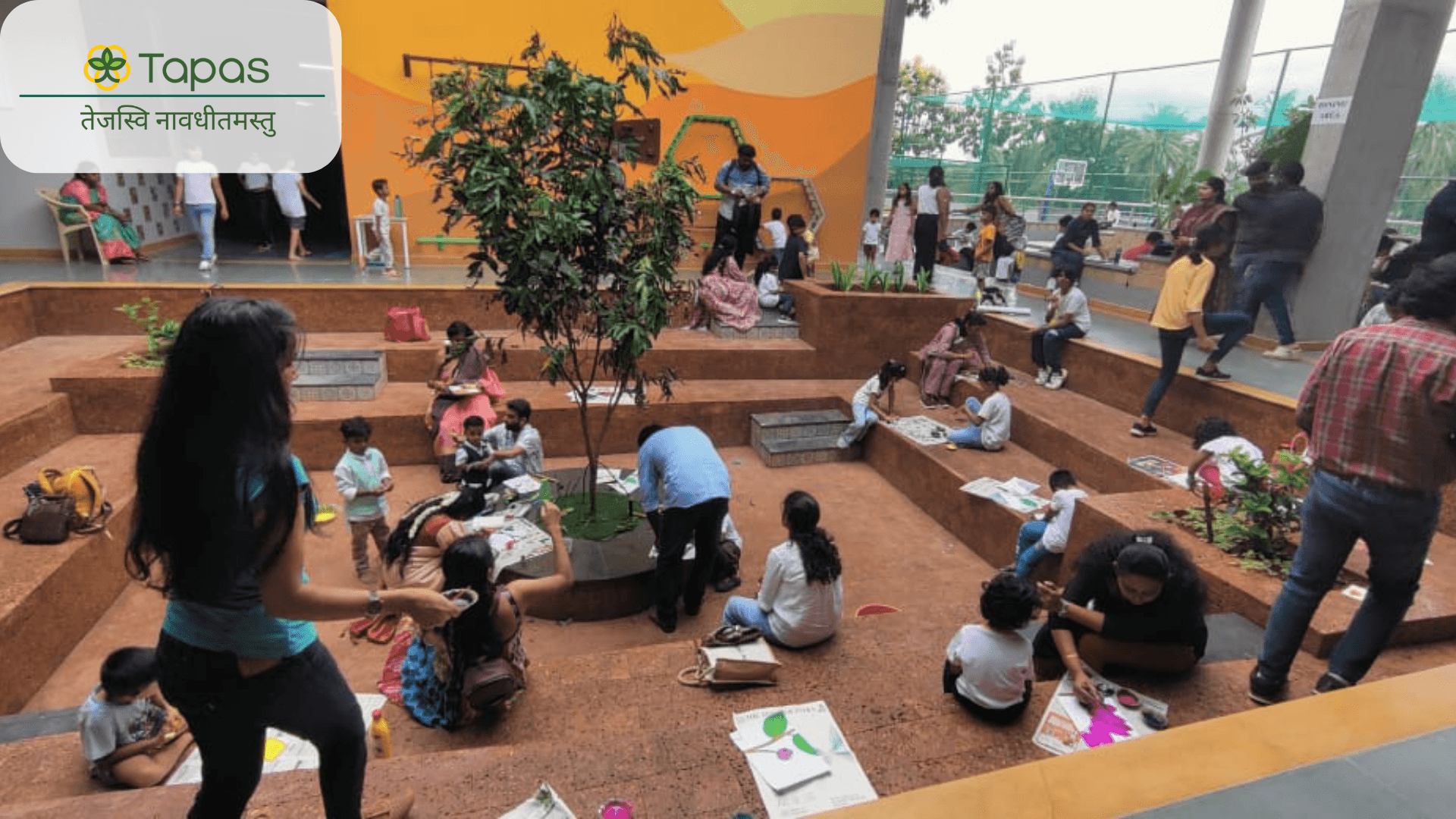
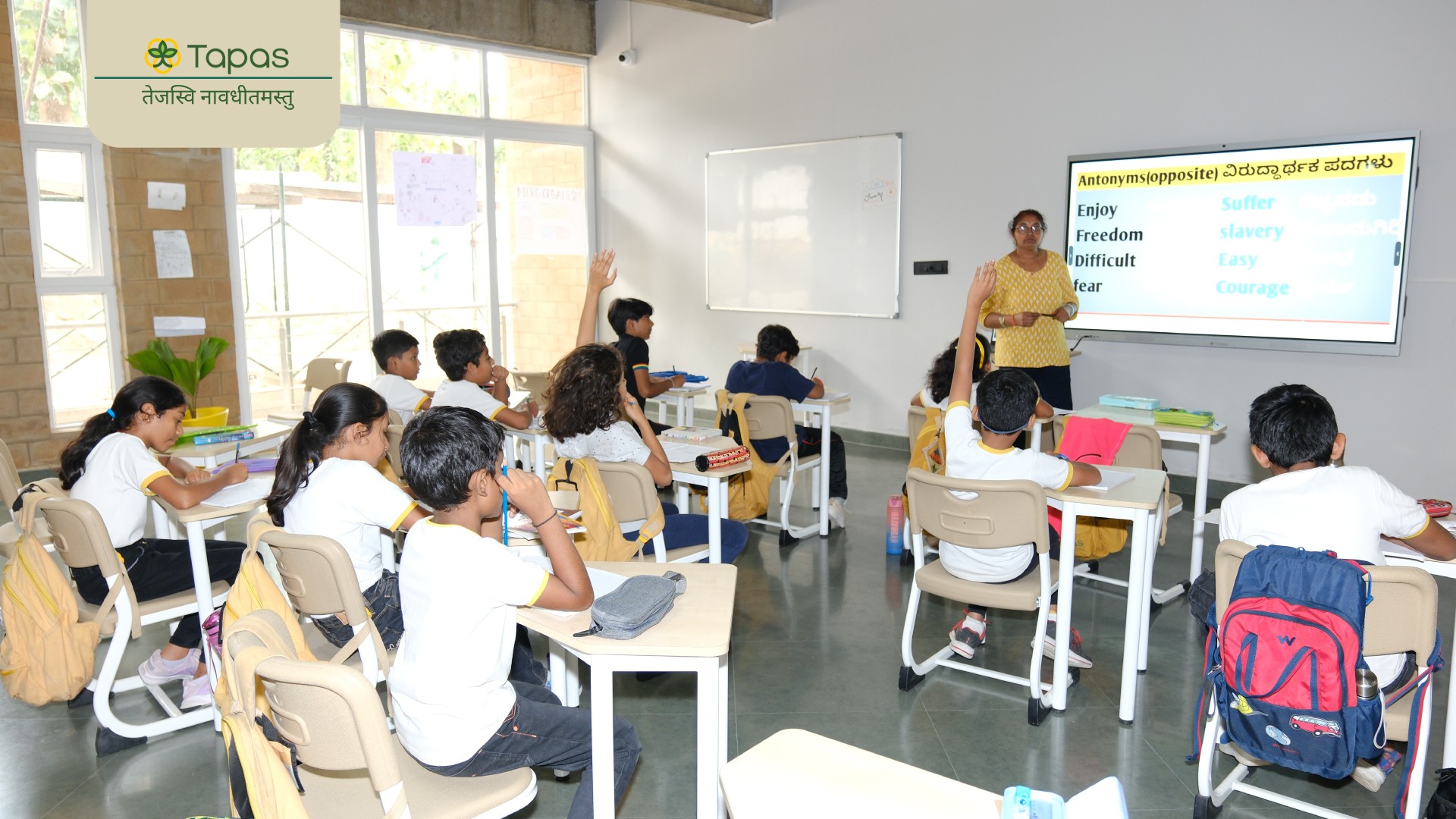
Student centered learning philosophy centres on individual learning styles, interests, and pace.
Students become active participants instead of passive listeners.
In these classrooms, students:
Ask questions freely
Make learning choices
Reflect on their progress
Collaborate with peers
Teachers guide learning rather than command it.
This supports both academic and emotional growth.
Why Education Is Switching Toward Learner-Led Models
The world is changing quickly.
Children need adaptability, creativity, and independent thinking skills.
Conventional lecture-based models cannot fully support these skills.
That is why progressive education methods are becoming pertinent.
Student-centered learning helps children:
Think critically
Communicate clearly
Solve problems independently
Build confidence through exploration
Education becomes preparation for life, not just the intermittent exams.
The Pros of Child-Led and Personalized Learning
Here are the most powerful benefits of child led learning and personalized learning in schools:
Stronger Ownership of Learning
Students take responsibility for progress and results.Higher Engagement
Learning feels meaningful and crucial to their interests.Better Concept Understanding
Students explore deeply rather than rote memorising.Refined Emotional Wellbeing
Students feel respected and valued as individuals.Confidence in Decision Making
Students learn to trust their own thinking.
How Student-Centered Learning Works Step by Step
At Tapas, learning is structured but flexible.
Typical classroom process includes:
Exploration First
Students observe, question, and discuss ideas.Guided Research
Teachers furnish tools, resources, and direction.Choice-Based Learning Tasks
Students select project formats or presentation styles.Collaboration and Discussion
Students learn from peers and share ideas.Reflection and Feedback
Students assess what they learned and how.
How Tapas Applies Student-Centered Learning
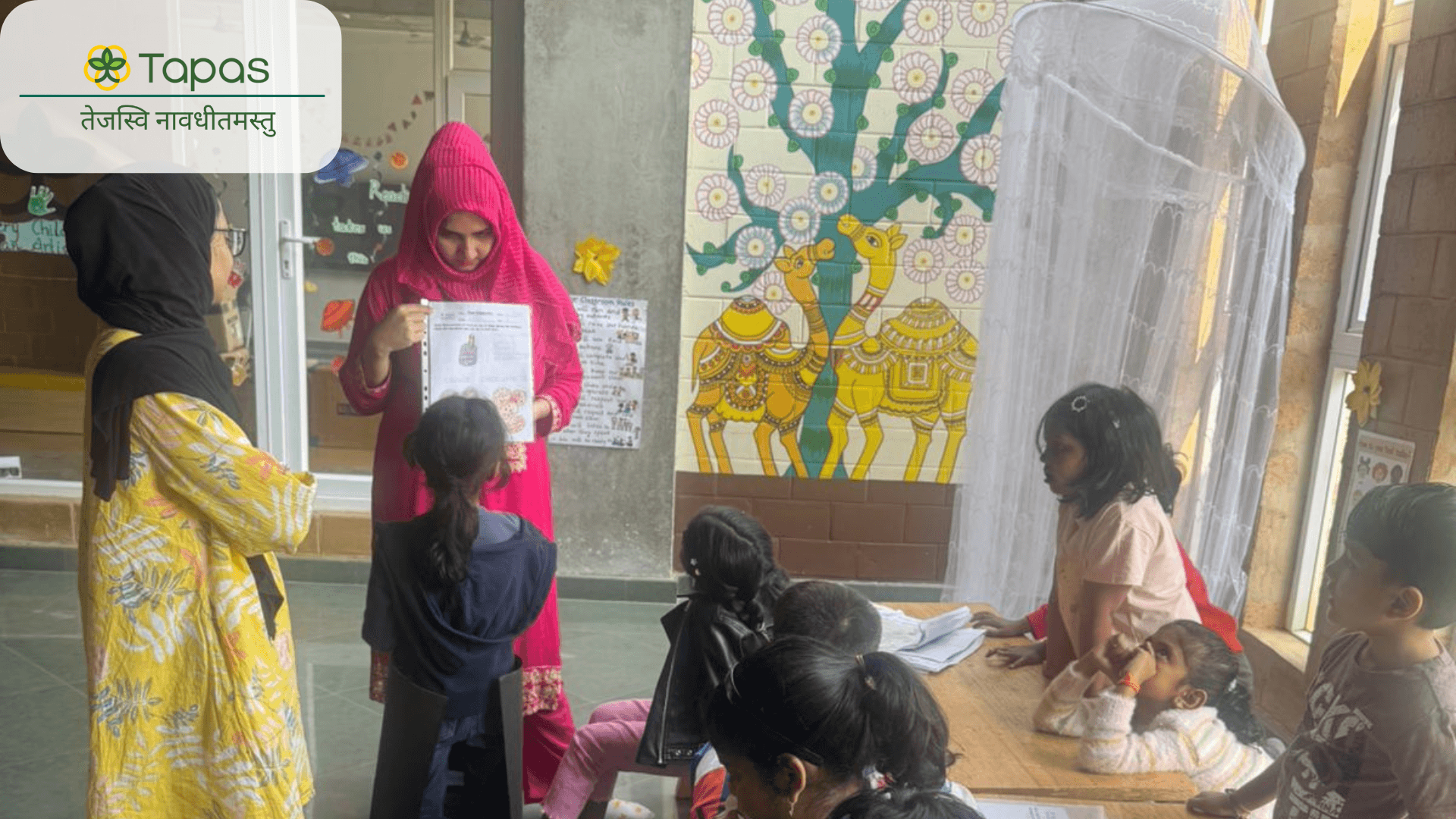
At Tapas Education, teachers design learning around curiosity and real-life experiences.
APPROACH | CLASSROOM PRACTICE | STUDENT OUTCOME |
Choice-based projects | Students select topics | Higher Engagement |
Reflection circles | Students discuss feelings | Emotional Awareness |
Inquiry learning | Students research questions | Critical Thinking |
Flexible pacing | Individual Learning Speed | Reduced Stress |
A Real Tapas Classroom Example
Students explored local community needs through surveys and interviews.
Teachers guided research methods but allowed students to come up with their own solutions.
Students presented ideas confidently because they owned their learning.
How Personalized Learning Supports Every Child
No two children are alike or learn the same way.
Personalized learning in schools ensures each child gets the right level of challenge.
Teachers adjust learning through:
Flexible project pains
Different presentation configurations
Individual feedback instead of comparison
This builds both skill and confidence.
Conclusion
The future belongs to thinkers, creators, and problem-solvers.
Student-centered learning helps learners become all three.
By shifting focus from teaching to learning, education becomes meaningful and lasting.
Students learn not just subjects but how to think, question, and grow.
At Tapas Education , student centered learning philosophy boosts children develop confidence, curiosity, and independence.
Want to see learner-focused classrooms in action?
Drop by Tapas Education in South Bangalore and experience education built around your child’s potential.
Frequently Asked Questions
Q 1. What is student centered learning philosophy?
Student centered learning philosophy focuses on how children learn rather than how teachers teach. Students actively participate, ask questions, and reflect, while teachers guide and support their growth.
Q 2. What is child led learning?
Child led learning allows students to explore topics based on their interests and pace. Teachers facilitate the process instead of directing every step.
Q 3. What is personalized learning in schools?
Personalized learning in schools adapts teaching methods, activities, and pace to fit each child’s strengths and needs, ensuring better understanding and confidence.
Q 4. Why are progressive education methods important?
Progressive education methods build critical thinking, creativity, and problem-solving skills, preparing children for real-world challenges beyond exams.
Q 5. What are the benefits of student centered learning?
Student centered learning increases engagement, boosts confidence, improves understanding, and helps children take ownership of their education.