Writer
Hands on learning means children learn by doing, experimenting and interacting with real materials rather than only reading or listening. Personalized learning approaches for kids focus on adapting teaching based on each child’s interests, pace and strengths. Together, these approaches help children understand concepts deeply while developing curiosity and confidence.
Across the world, education systems are moving away from memorisation based teaching because global employers now value creativity, teamwork, problem solving and independent thinking. Schools in regions like Europe, Asia and the Middle East are introducing project based and interest driven learning, so children can learn in meaningful and authentic ways that prepare them for future careers and modern life.
Key takeaway: Future classrooms will combine hands on learning in progressive schools with personalized learning approaches for kids to help learners become curious, confident and creative problem solvers.
What is hands on learning in progressive schools
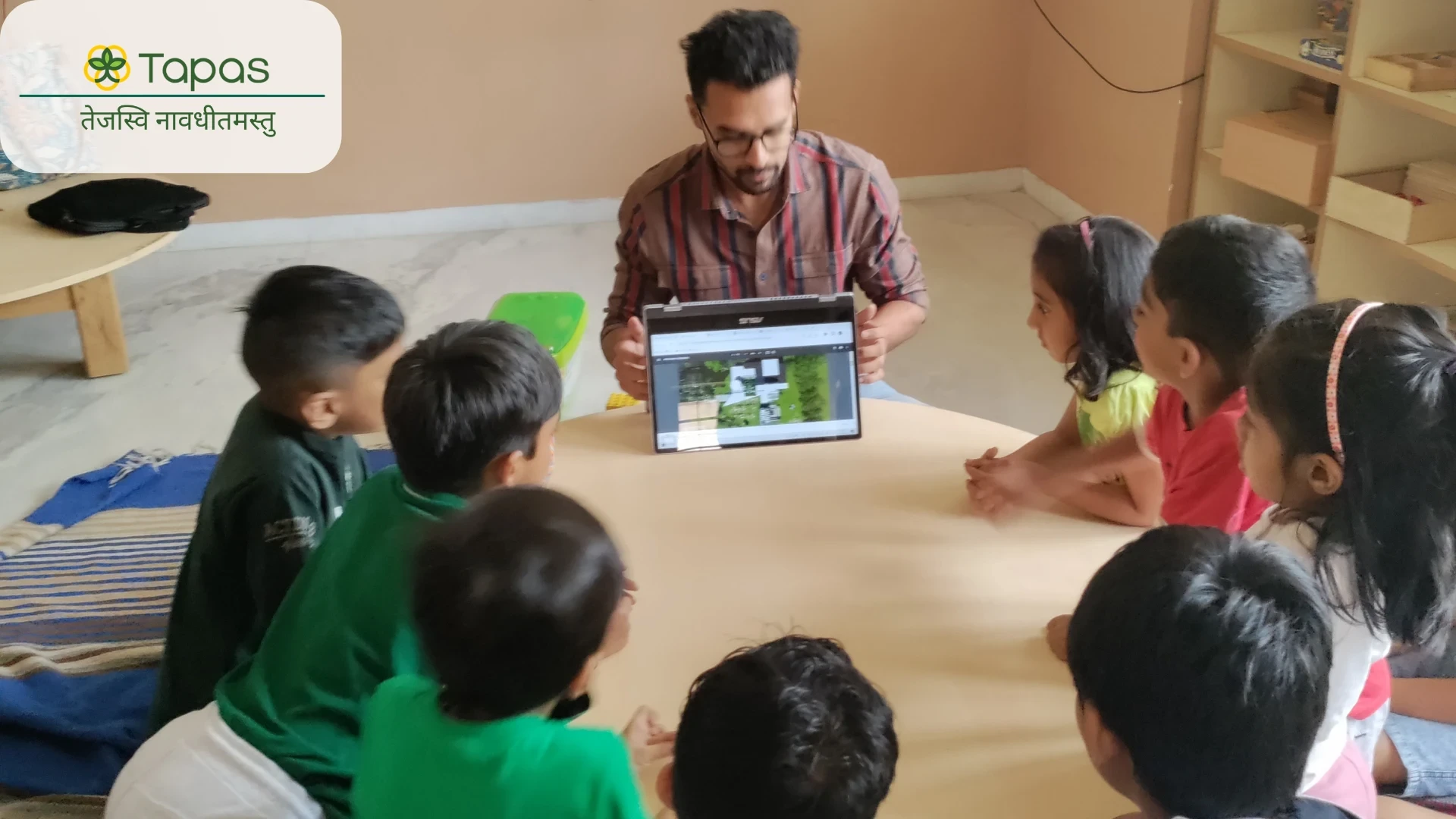
Hands-on learning involves learning by doing, where children engage in activities, experiments or real tasks instead of only listening.
• Helps children understand abstract concepts clearly
• Builds interest because learning becomes active
• Encourages children to explore, question and investigate
• Uses creativity and imagination while learning
• Helps learning stay memorable and enjoyable
Why does hands on learning work
• It uses multiple senses
• Children discover answers rather than being told
• Mistakes become a part of learning
• Every learner gets a chance to participate
Hands-on learning is especially effective in science, math, environment studies and design based tasks, where children can observe real outcomes, build projects and connect concepts to life around them.
Why are traditional classrooms no longer enough
Traditional classrooms often focus on memorisation instead of deep understanding. When knowledge is limited to textbooks, children may pass exams but struggle with applying ideas in practical situations.
• Learning becomes repetitive and passive
• Students may feel disconnected from real life
• Creativity and imagination may not be encouraged
• Pressure to perform can reduce curiosity
Children need flexible learning spaces where they can explore interests, solve problems, build models and use creativity to understand concepts. Future workplaces already demand skills like critical thinking, collaboration and adaptability, which traditional teaching alone cannot build.
What are personalized learning approaches for kids
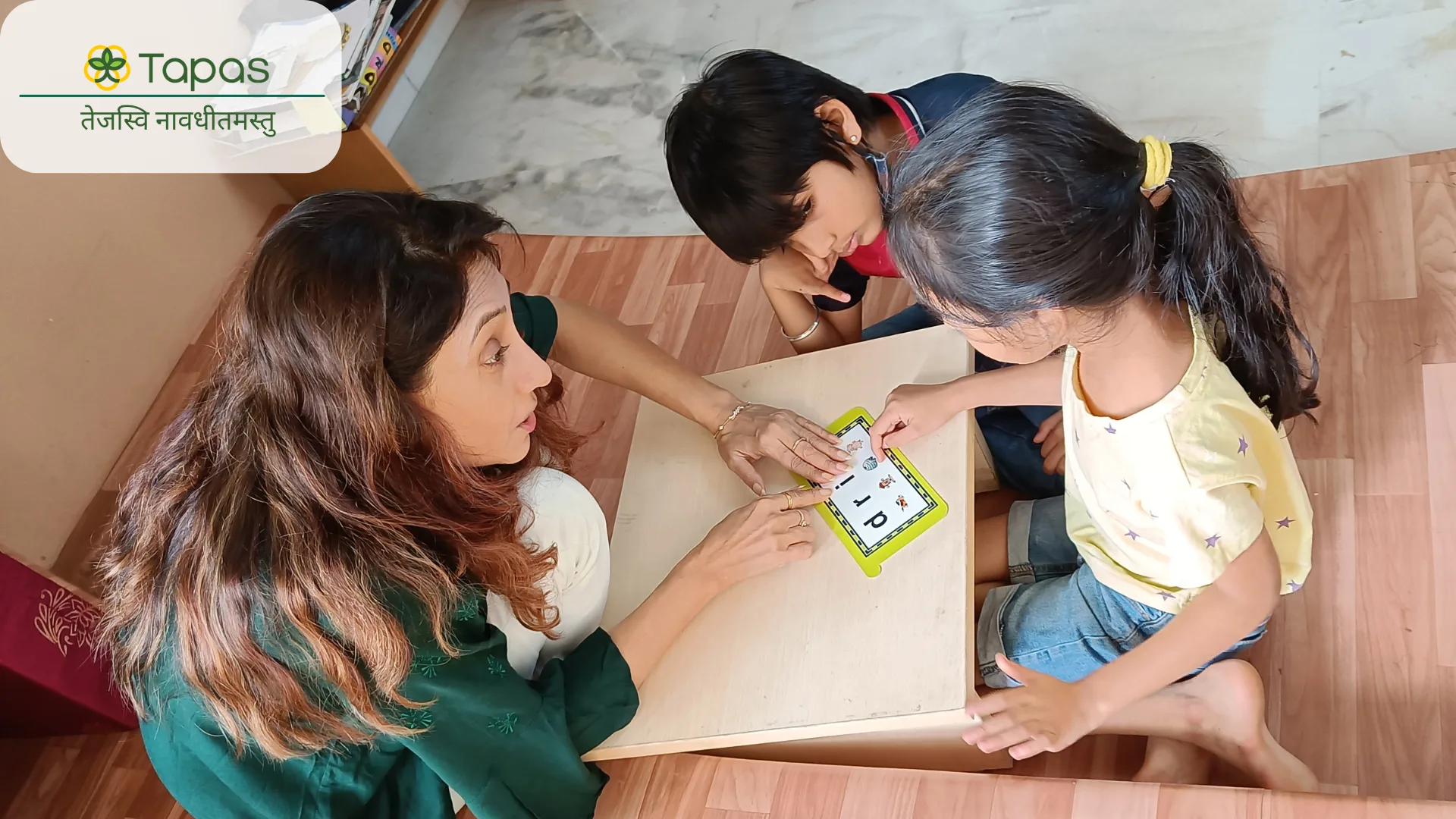
Personalized learning means tailoring teaching to each child so learning matches their interests and pace.
• Every child learns differently
• Children feel confident when they progress at their own speed
• Interests guide projects and assignments
• Facilitators support learning through guidance instead of lecture
• Learning becomes meaningful and self driven
What benefits does personalized learning bring
• Better understanding
• Higher motivation
• Strong emotional connection with learning
• Discovery of personal interests
• Support for different learning styles
Personalized learning approaches for kids also increase self awareness, responsibility and independence, because children take ownership of their learning journey.
What are innovative classroom methods for modern education
Innovative classroom methods for modern education combine hands on and personalized learning, supported by thoughtful use of technology.
• Project based learning
• Inquiry based learning
• Interdisciplinary activities
• Student choice in project themes
• Real world problem solving
How does technology support modern classrooms
• Adaptive digital tools
• Simulations
• Virtual learning environments
• Research based exploration
Technology should support human creativity rather than replace real experiences. Many global education experts believe the future of learning will balance hands on exploration with smart, guided digital resources.
How do hands on and personalized learning build real skills
Hands on learning develops thinking skills, creativity and problem solving. Personalized learning develops independence and self direction. Together, they prepare children for a world where knowledge is constantly changing.
• Boosts teamwork and communication
• Encourages collaboration
• Improves confidence
• Helps children express ideas clearly
• Builds strong research and questioning habits
Children develop a mindset of curiosity and lifelong learning, which is essential for future careers and global challenges.
How are schools in India moving toward this future
Across India, many progressive schools in Bangalore, Pune, Chennai and Delhi are transforming learning spaces by integrating project work, sustainability themes, design thinking and real world concepts. Parents are seeking schools that emphasise meaningful, joyful learning instead of exam focused education. The National Education Policy also supports flexible learning paths, 21st century skills and competency based learning, which aligns with hands on and personalized approaches.
If you want your child to experience meaningful, hands on and personalized learning in a progressive environment, explore Tapas Education at https://tapaseducation.com/
.
Frequently Asked Questions
How do I know if hands on learning will help my child?
Children who learn by touching, building and exploring usually understand concepts more deeply and remember them longer.Why is personalized learning important?
It respects individual strengths, supports varied learning styles and helps children feel confident in their abilities.What is the best example of hands on learning?
Activities like building a model city, conducting experiments or creating real life solutions are strong examples.Will innovative classroom methods improve academic performance?
Yes. When children understand concepts deeply, academic results often improve naturally.Does personalized learning slow down the class?
No. It allows every learner to move at the right pace while still progressing meaningfully.Hands on learning in progressive schools and personalized learning approaches for kids encourage curiosity, confidence and lifelong learning. They shift classrooms toward creativity, problem solving and real world understanding, which are essential for the future.