Writer
Envision your school days.
Most classrooms had one voice speaking and many students listening.
Today, education looks very different.
Children are curious, expressive, and eager to explore ideas by themselves.
This switch has given rise to student centered classrooms, where learning starts with the child, not the textbook.
In these classrooms, the teacher is no longer just an instructor.
They become a guide, mentor, and facilitator who aids each learner’s journey.
This approach is known as learner led education, and it sits at the core of many progressive teaching methods.
At Tapas Education in South Bangalore, teachers play a critical role in creating spaces where children feel confident to think, question, and grow.
In this blog, you will learn:
What student-centered classrooms actually mean
How the teacher as facilitator model works
Why this role matters for deeper learning
Real-life examples from Tapas classrooms
What parents should know about this method
Let’s survey how teachers shape meaningful learning without standing at the center of it.
What Are Student-Centered Classrooms?
Student centered classrooms centre on how children learn, not just what they learn.
Learning adapts to the child’s pace, interests, and strengths.
In these classrooms:
Students pose questions freely
Learning occurs through projects and discussions
Errors are part of the process
The teacher is not invisible.
Instead, their role becomes more thoughtful and intentional.
Why the Teacher’s Role Must Change
Children today need more than only information.
They need skills like critical thinking, communication, and adaptability.
Conventional teaching often limits these skills.
That’s why progressive teaching methods shift the teacher’s role.
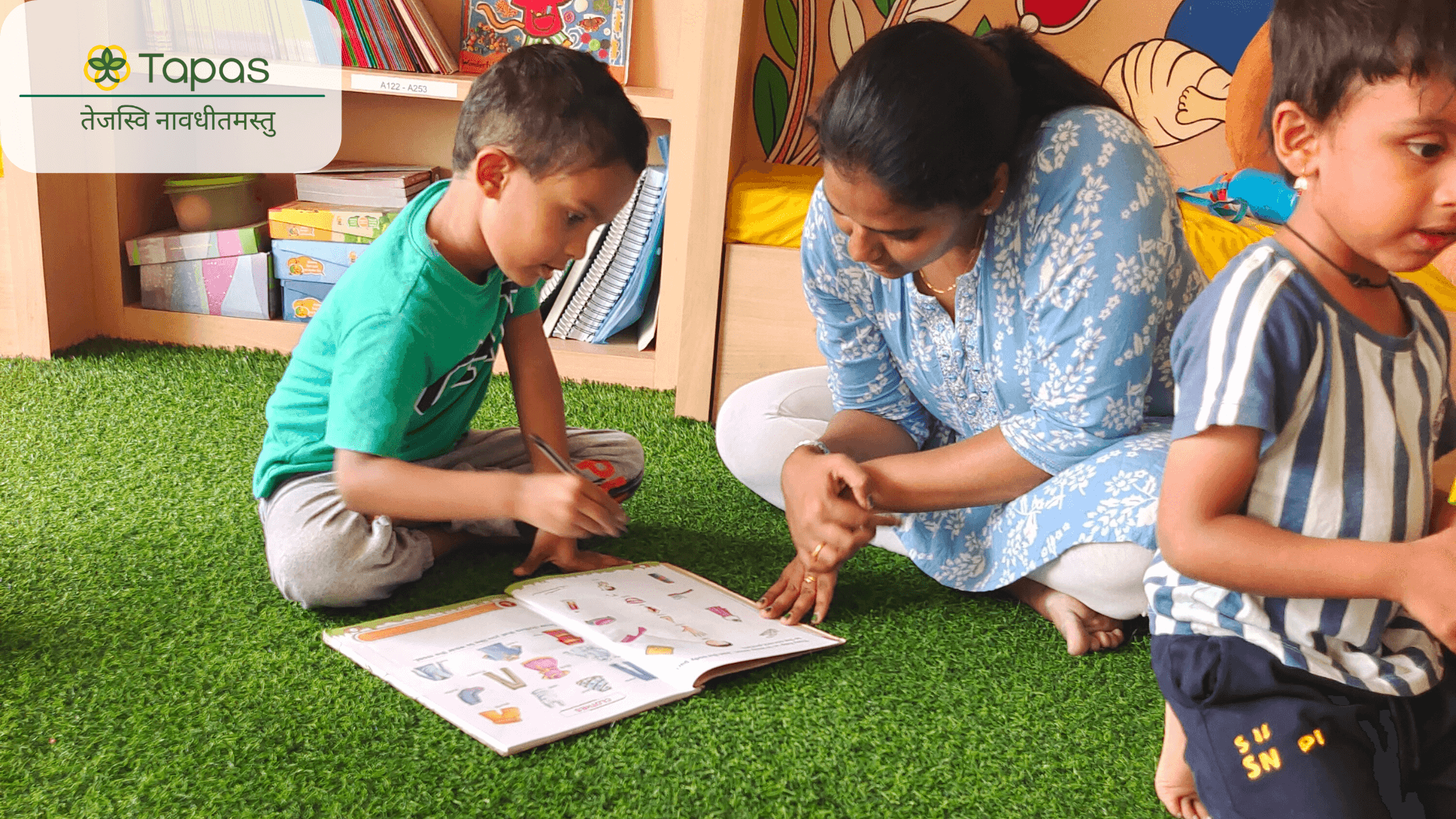
A teacher who facilitates learning helps children:
Think independently
Take ownership of ideas
Build confidence through exploration
As education researcher John Dewey said:
“If we teach today’s students as we taught yesterday’s, we rob them of tomorrow.”
Teacher as Facilitator: What It Really Means
The teacher as facilitator guides learning instead of commanding it.
They design environments where curiosity can thrive.
Key responsibilities comprise:
Pumping open-ended questions
Discerning student interests
Furnishing resources, not answers
Inspiring reflection and discussion
The teacher becomes a partner in learning, not a judge of performance.
Benefits of Learner-Led Education
When teachers shift roles, students profit deeply.
Here are the top outcomes:
Stronger Ownership of Learning
Students take responsibility for their own progress.Upgraded Confidence
Children trust their thinking and voice opinions freely.Better Understanding
Concepts are explored, not memorised.Deeper Collaboration
Teachers model respectful listening and teamwork.Emotional Safety
Children feel aided rather than evaluated.
This is the true power of learner led education.
How Tapas Teachers Practice Student-Centered Learning
At Tapas Education, teachers are trained to perceive before they instruct.
Every classroom reflects flexibility and care.
TEACHER ACTION | CLASSROOM IMPACT | STUDENT OUTCOME |
Guiding Questions | Deeper Enquiry | Critical Thinking |
Project Facilitation | Hands-on Learning | Concept Clarity |
Reflection Circles | Emotional Awareness | Self-Confidence |
Choice-based Tasks | Autonomy | Motivation |
A Real Tapas Classroom Example
During a community project, students opted for topics they cared about.
Teachers assisted them in research, planning, and present findings.
No single solution was “correct.”
What mattered was reasoning, effort, and reflection.
Simple Steps Teachers Utilise Daily
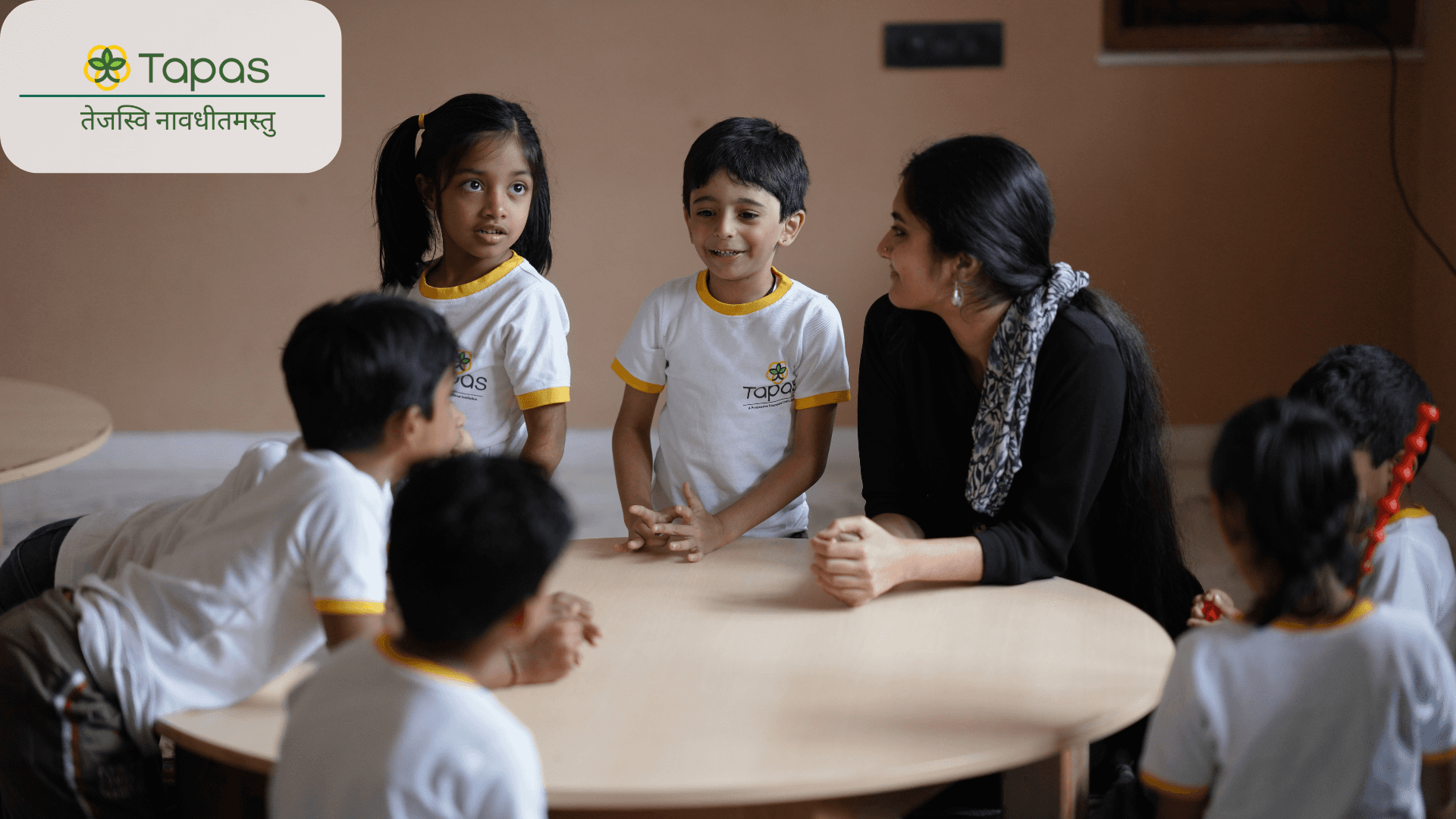
Teachers at Tapas follow practical, child-first steps:
Start lessons with questions, not lectures
Proffer multiple ways to show learning
Inspire peer discussions
Let students to make choices
Reflect together at the finale of activities
These steps keep learning structured yet flexible.
What Parents Should Know
Parents often worry about structure and discipline.
Student-centered learning provides both albeit differently.
Teachers set clear and distinct boundaries while allowing freedom within them.
This balance builds responsibility, not chaos.
When teachers facilitate learning well, children become more independent and centred.
Conclusion
Teachers remain key to every classroom.
What changes is how they lead learning.
In student centered classrooms, teachers guide, support, and encourage.
They create space for curiosity instead of controlling every single step and trying to micromanage.
At Tapas Education , the teacher as facilitator approach helps children grow academically, emotionally, and socially.
When teachers step back mindfully, children step forward confidently.
Want to see learner-led classrooms in true action?
Check out Tapas Education in South Bangalore and experience teaching that empowers, not instructs.
Frequently Asked Questions
Q 1. What are student centered classrooms?
Student centered classrooms focus on how students learn rather than just what they learn. Lessons adapt to each child’s pace, interests, and strengths, encouraging active participation, discussion, and critical thinking.
Q 2. What does “teacher as facilitator” mean?
In the teacher as facilitator model, the teacher guides learning instead of lecturing. They ask questions, provide resources, and support exploration so students think independently and take ownership of their learning.
Q 3. How does learner led education improve learning outcomes?
Learner led education increases engagement and understanding. Students explore topics, solve problems, and reflect on ideas, leading to better retention and stronger critical thinking skills.
Q 4. What are progressive teaching methods?
Progressive teaching methods prioritize collaboration, inquiry, and real-world learning. They focus on developing communication, creativity, and problem-solving skills alongside academic knowledge.
Q 5. Are student centered classrooms structured?
Yes. Student centered classrooms maintain clear routines and expectations while allowing flexibility. This balance builds responsibility, independence, and self-discipline.