Writer
What if school success meant more than the two boxes of marks and ranks?
What if education helped children grow emotionally, socially, creatively, and intellectually together with their peers?
Across India, parents are asking this question more than ever.
Many families are now surveying schools that focus on happiness, confidence, and life skills. Not just academics.
This is where the holistic education approach becomes important.
It centres on developing the whole child, not just academic performance.
At Tapas Education in South Bangalore , learning is designed around curiosity, emotional security, and real-world skills.
Children grow through projects, reflection, collaboration, and meaningful experiences.
In this blog, you will learn:
What holistic education really means in today’s modern India
Why it assists whole child development
How social emotional learning in schools plays a key role
What to look for when selecting the best holistic schools in India
Real examples of holistic learning in action
Let’s understand what really makes a school holistic today.
What Is Holistic Education?
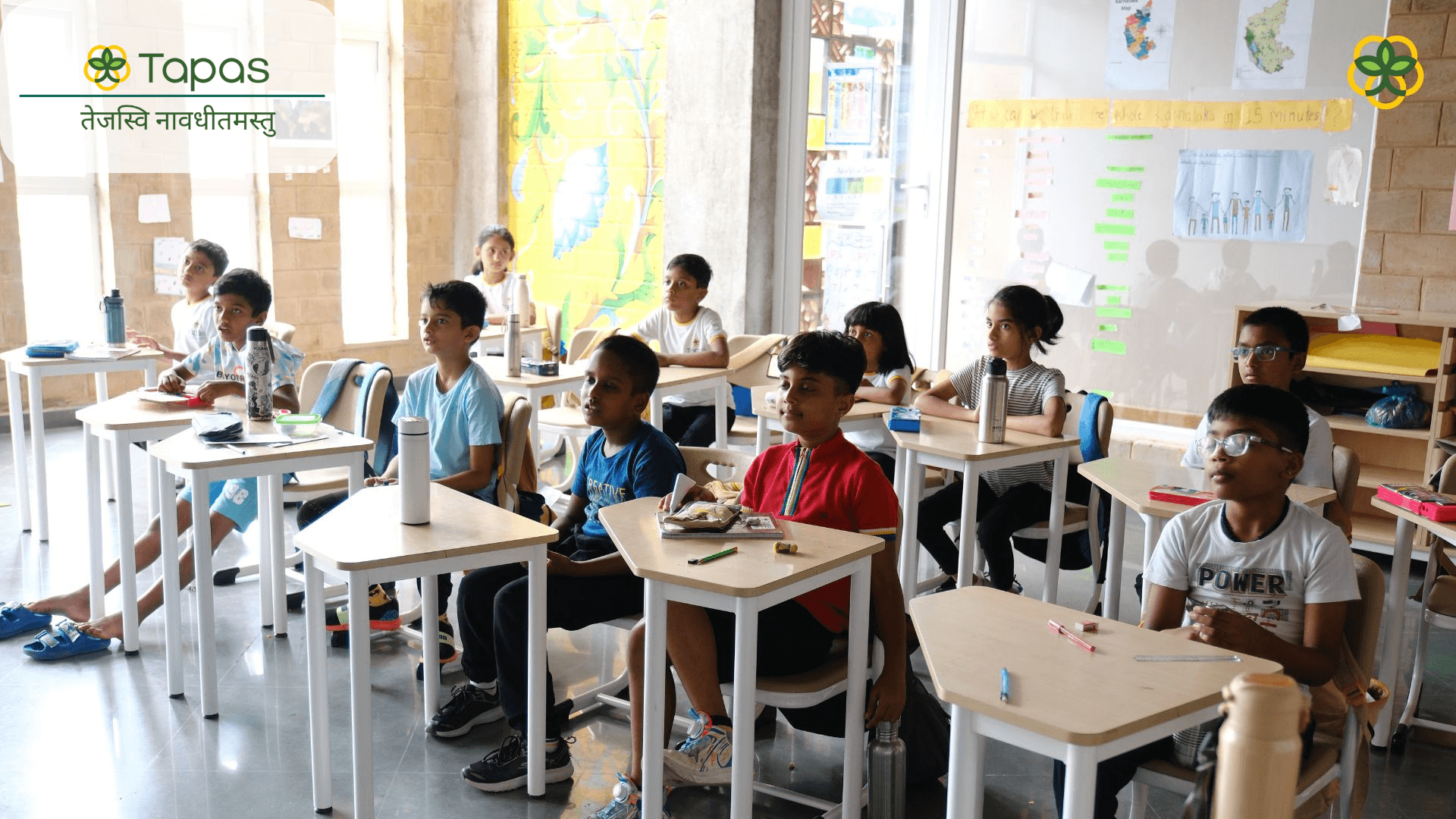
The holistic education approach pivots on developing multiple aspects of a child’s growth.
It goes beyond textbooks and exams.
Holistic education supports:
Academic understanding
Emotional intelligence
Social skills
Creativity
Physical wellbeing
Ethical thinking
Instead of asking, “How much did you score?”
Holistic schools ask, “How much did you grow?”
Why Whole Child Development Matters
The world children grow into is complex and rapidly evolving.
Success depends on adaptability, emotional intelligence, and problem-solving.
Whole child development ensures children grow as balanced individuals.
Research shows children learn better when emotional safety prevails.
That is why social emotional learning in schools is critical today.
When children feel safe and valued:
They take risks in learning
They ask questions confidently
They collaborate better
They manage challenges calmly
Key Elements of Holistic Schools in India
The best holistic schools in India focus on multiple development zones.
These schools typically include:
Academic Depth Through Application
Concepts are learned through projects and real-time world problems.Social Emotional Learning
Students learn emotional regulation, empathy, and communication.Creative Expression
Art, music, storytelling, and design thinking are part of daily learning.Physical Wellbeing
Movement, outdoor learning, and sports are integrated into practices.Community and Values Education
Students learn responsibility toward society and the environment.
How Tapas Applies Holistic Learning
At Tapas Education, holistic learning happens every day and not as an extra program.
HOLISTIC AREA | CLASSROOM PRACTICE | STUDENT OUTCOME |
Emotional Growth | Reflection Circles | Self-awareness |
Academic Learning | Project-based Learning | Concept Clarity |
Social Skills | Group Collaboration | Communication |
Creativity | Art + Storytelling | Expression Confidence |
Physical Growth | Outdoor Learning | Health and Focus |
A Real Tapas Classroom Example
Students once worked on a community sustainability project.
They studied science, interviewed residents, and created awareness campaigns.
They learned academics, empathy, and responsibility together.
How Social Emotional Learning Supports Holistic Growth
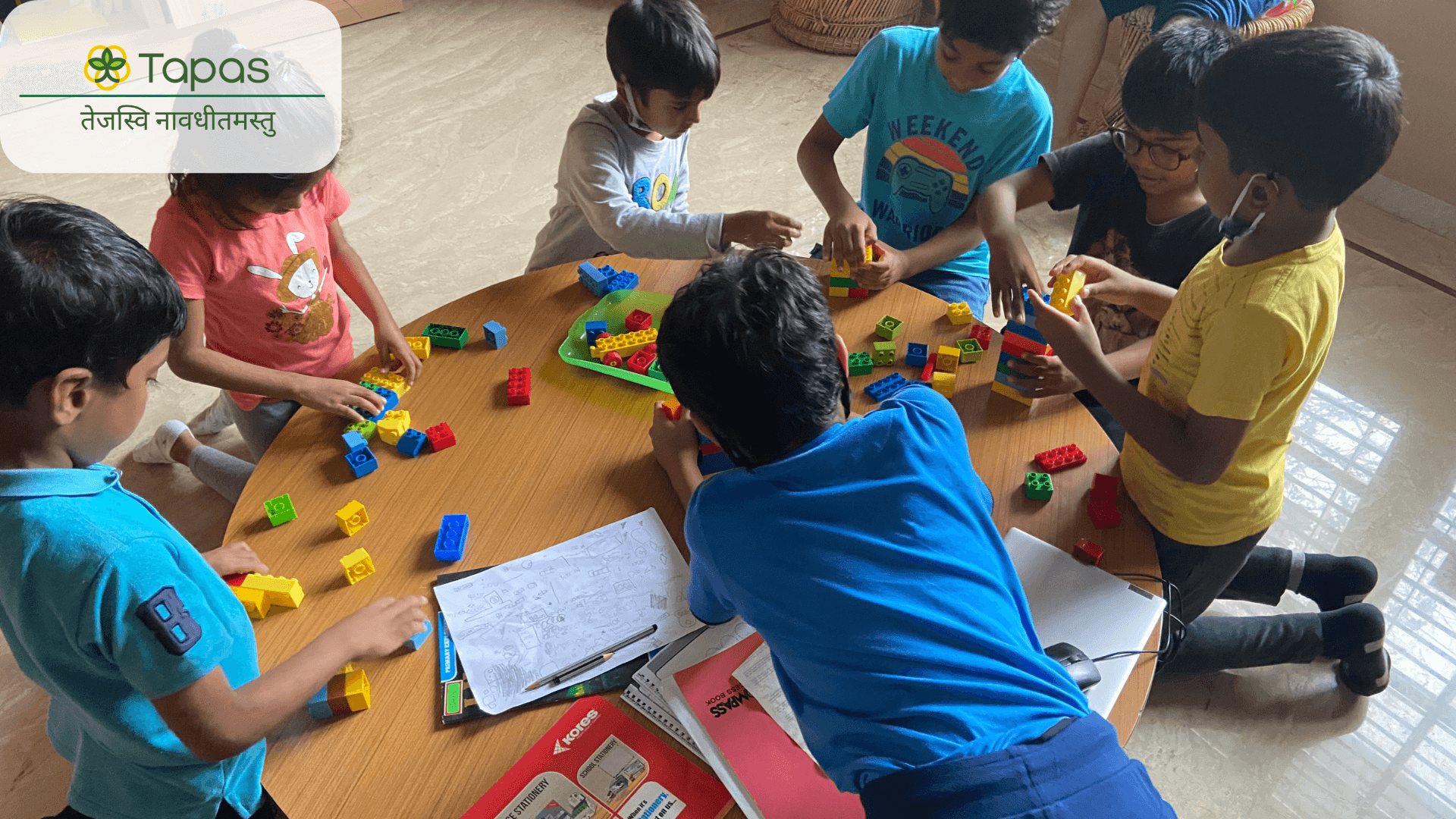
Social emotional learning in schools builds critical life skills.
It helps children:
Understand their emotions
Build healthy relationships
Solve conflicts calmly
Build resilience
Schools that ignore emotional growth often grapple with engagement and confidence.
How Parents Can Identify Truly Holistic Schools
Look for schools that:
Focus on student wellbeing, not just end-results
Encourage project-based and experiential learning
Impart emotional safety and reflection time
Balance academics with arts and physical activity
Promote community responsibility
Ask schools how they support emotional and social development, not just academics.
Conclusion
Holistic education prepares children for life, not just exams.
It builds confident, empathetic, and capable individuals.
The holistic education approach ensures children grow intellectually, emotionally, socially, and creatively.
This is the future of relevant, meaningful education.
At Tapas Education , holistic learning supports whole child development through safe and secure environments, real-world learning, and emotional growth.
Want to see holistic education in action?
Visit Tapas Education in South Bangalore and experience learning that fosters every part of your child’s potential.
Frequently Asked Questions
1. What is a holistic education approach?
A holistic education approach focuses on whole child development, including academics, emotional growth, social skills, creativity, and physical wellbeing—not just exam results.
2. Why is whole child development important in schools?
Whole child development ensures children grow intellectually, emotionally, and socially. It builds confidence, resilience, problem-solving skills, and long-term success beyond academics.
3. How does social emotional learning in schools support students?
Social emotional learning in schools teaches children to understand emotions, build healthy relationships, manage stress, and resolve conflicts—creating a safe and supportive learning environment.
4. What makes the best holistic schools in India different?
The best holistic schools in India balance strong academics with emotional wellbeing, creative expression, physical activity, and values-based learning for well-rounded growth.
5. How can parents identify a truly holistic school?
Parents should look for schools that prioritise wellbeing, project-based learning, social emotional learning, and balanced development alongside academic excellence.