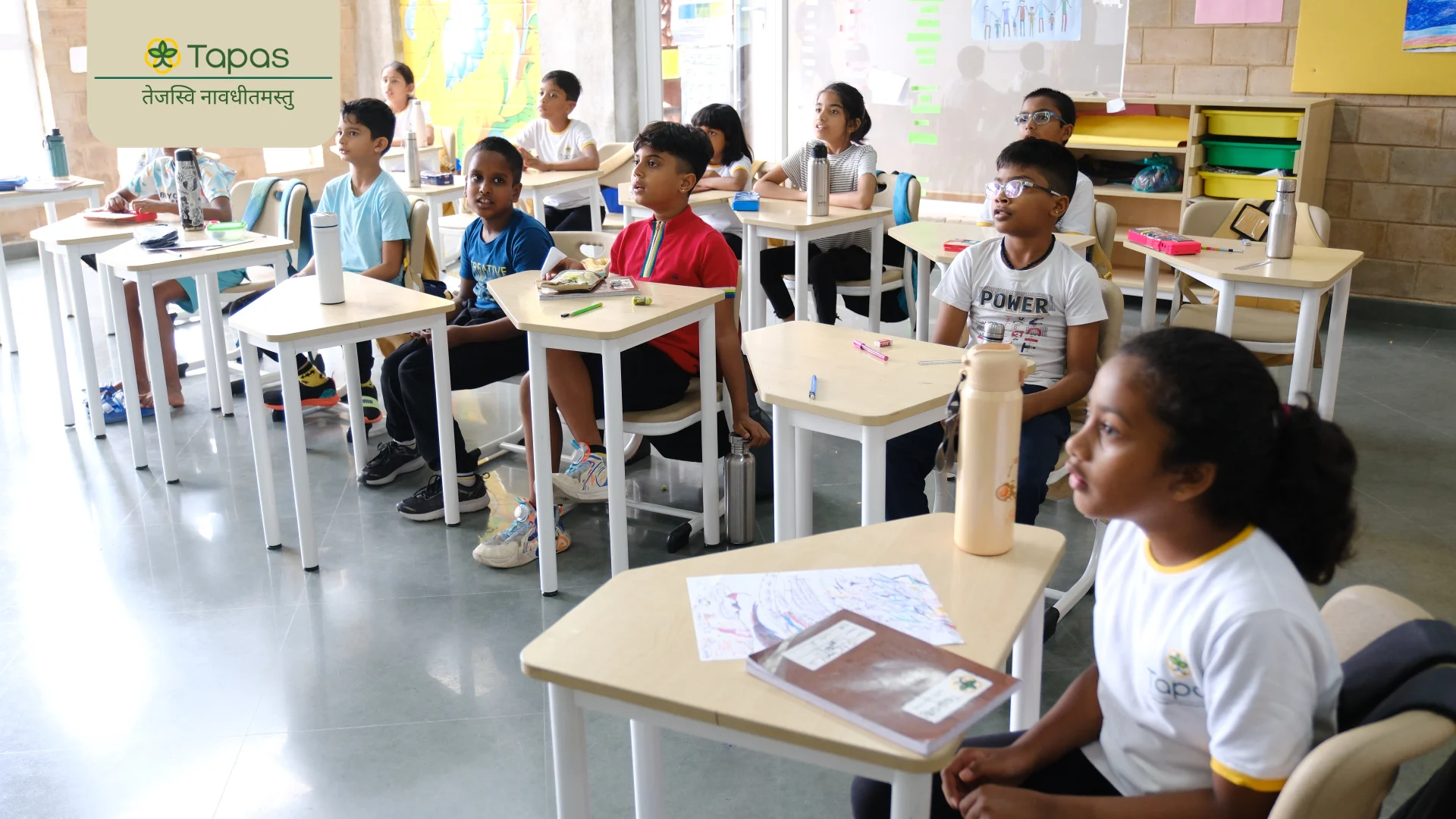
Have you ever memorised answers for an exam and forgotten them just the next day?
Many students experience this every year.
For decades, Indian classrooms have focused on rote learning.
Students learn to repeat answers instead of understanding concepts.
But the world is changing rapidly.
Children now need skills like problem-solving, creativity, and critical thinking.
This is where the switch from rote learning vs experiential learning becomes important.
Across India, schools are adopting modern teaching methods in India.
They focus on real understanding instead of memorisation.
At Tapas Education in South Bangalore, learning is curated around curiosity and experience.
Students explore concepts through projects, discussions, and real-world connections.
In this blog, you will learn:
What rote learning really means
How experiential learning works
Why conceptual learning in schools matters
Real classroom examples from Tapas
What this shift means for your child
Let’s survey how education is evolving.
What Is Rote Learning?
Rote learning pivots on memorising information.
Students repeat answers without fully understanding concepts.
Common features comprise of:
Fixed answers
Repetition-based study
Focus on exams
Limited questioning
This method may help short-term recall.
But it does not boost deep understanding.
What Is Experiential Learning?
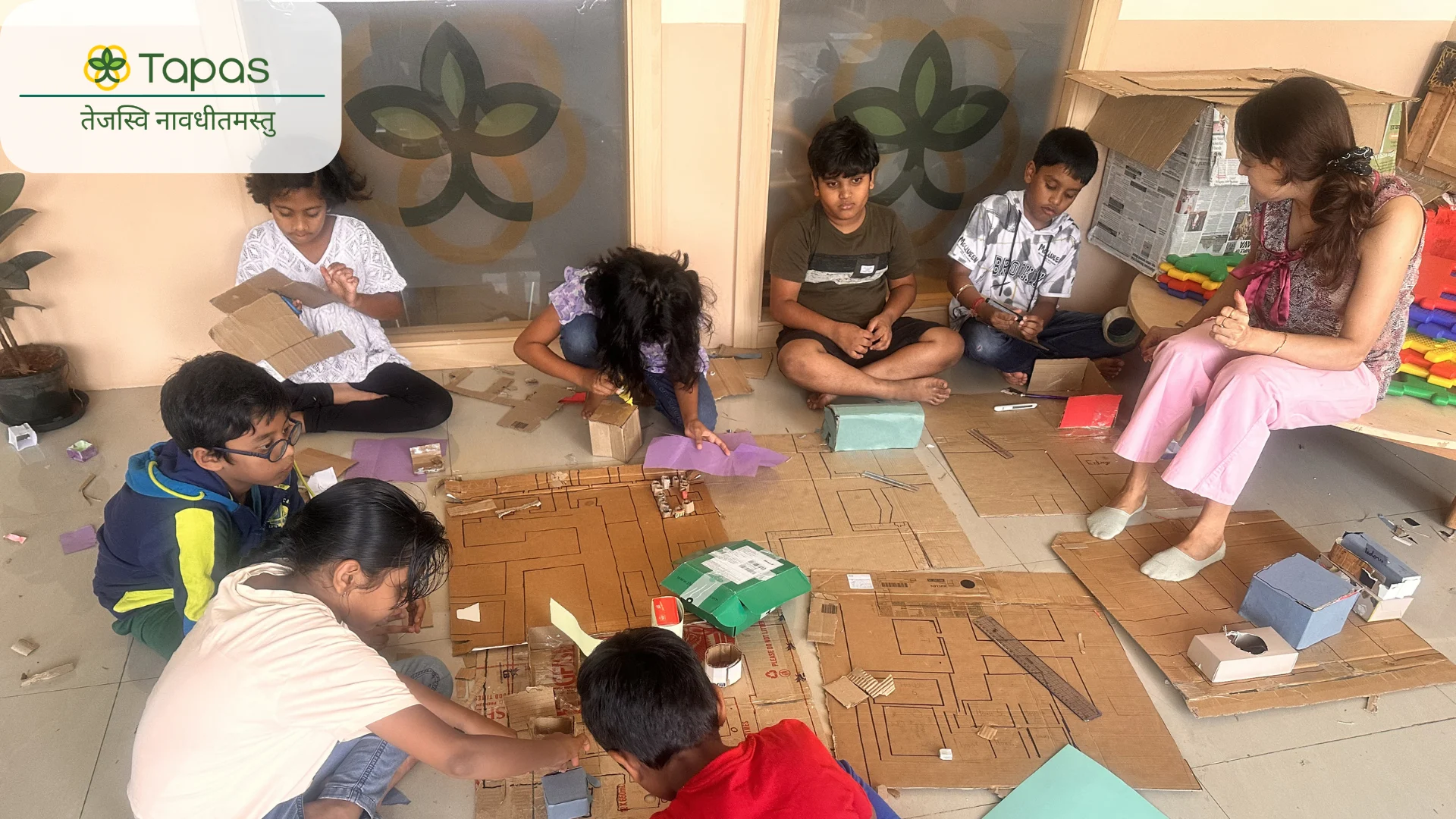
Experiential learning hinges on learning through experience.
Students understand concepts by doing, exploring, and reflecting.
It includes:
Hands-on activities
Real-world problem-solving
Project-based learning
Discussions and reflection
This is the foundation of conceptual learning in schools.
Why the Shift Is Happening
The gap between school learning and real life is growing.
Students often grapple with applying what they learn.
Modern teaching methods in India address this issue by:
Making learning relevant
Encouraging curiosity
Building thinking skills
Connecting theory with practice
As education evolves, understanding becomes more crucial than memorisation.
Key Differences: Rote vs Experiential Learning
ASPECT | ROTE LEARNING | EXPERIENTIAL LEARNING |
Learning Style | Memorisation | Understanding |
Student Role | Passive | Active |
Focus | Exams | Real-life Application |
Retention | Short-term | Long-term |
Engagement | Low | High |
This shift transforms how children learn and grow.
Benefits of Conceptual Learning
Conceptual learning in schools offers powerful advantages:
Deeper Understanding
Students know why concepts work.Better Problem-Solving
They apply knowledge in new situations.Stronger Curiosity
Questions drive learning.Higher Confidence
Students trust their thinking.Long-Term Retention
Learning stays with them beyond exams.
How Tapas Education Applies This Change
At Tapas Education, learning is built on experience and exploration.
APPROACH | PRACTICE | OUTCOME |
Project-based Learning | Real-world Challenges | Problem-solving |
Inquiry Learning | Student Questions | Critical Thinking |
Reflection | Journals & Discussions | Self-awareness |
Collaboration | Group Work | Communication Skills |
Real Classroom Example
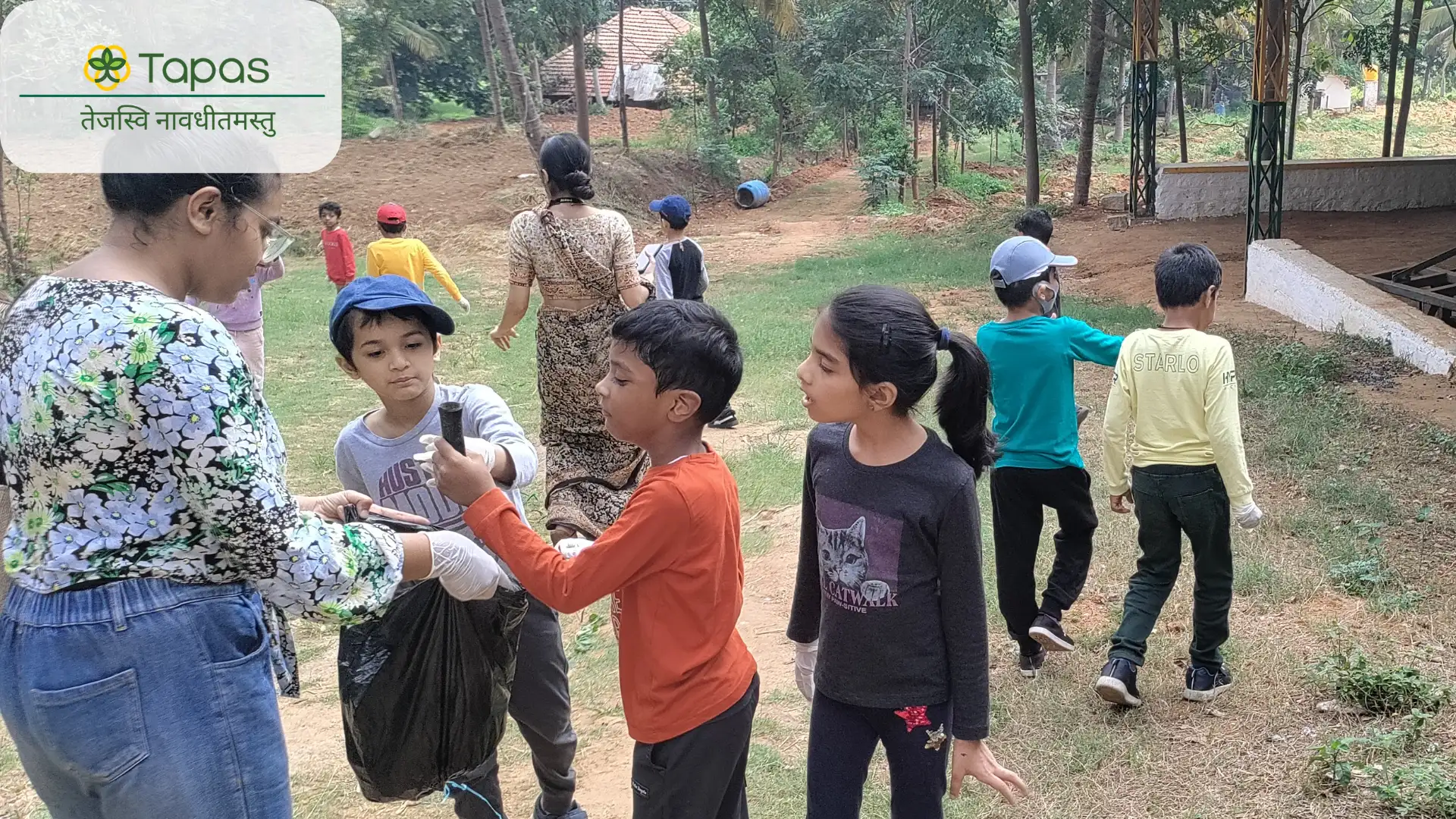
Students studied water conservation by observing local usage patterns.
They analysed data and proposed solutions.
They learned science, math, and responsibility together.
How Parents Can Assist This Approach
Parents play an important role in this shift.
Try these simple steps:
Encourage questions at home
Focus on understanding, not marks
Connect lessons to real-life situations
Allow children to explore and experiment
Appreciate effort and curiosity
These habits support experiential learning naturally.
Conclusion
Education is moving from memorising answers to understanding ideas.
This shift from rote learning vs experiential learning is critical today.
Modern teaching methods in India focus on meaningful learning.
They help children think, explore, and apply knowledge confidently.
At Tapas Education , students learn through experience, not repetition.
They develop skills that prepare them for life, not just exams.
Want your child to experience real learning?
Visit Tapas Education in South Bangalore and discover education that builds and boosts understanding, not just memory.
Frequently Asked Questions
What is the difference between rote learning and experiential learning?
In rote learning vs experiential learning, rote focuses on memorisation, while experiential learning builds real understanding through hands-on activities.Why is conceptual learning important in schools today?
Conceptual learning in schools helps students understand ideas deeply and apply them in real-life situations, not just exams.How are modern teaching methods in India changing education?
Modern teaching methods in India focus on activity-based learning, critical thinking, and real-world application instead of memorisation.Does experiential learning improve student performance?
Yes, in rote learning vs experiential learning, experiential methods improve retention, problem-solving, and long-term understanding.How can schools shift from rote learning to conceptual learning?
Schools can adopt conceptual learning in schools by using projects, discussions, and real-world examples instead of repetitive memorisation.