Opting for the right school today feels more complicated than ever.
Parents are no longer asking only about marks and board results.
They also want to know:
Will my child feel emotionally safe?
Will they enjoy learning?
Will they develop confidence and life skills?
This switch is why more families are exploring holistic education in India.
Parents now understand that success needs more than academic performance alone.
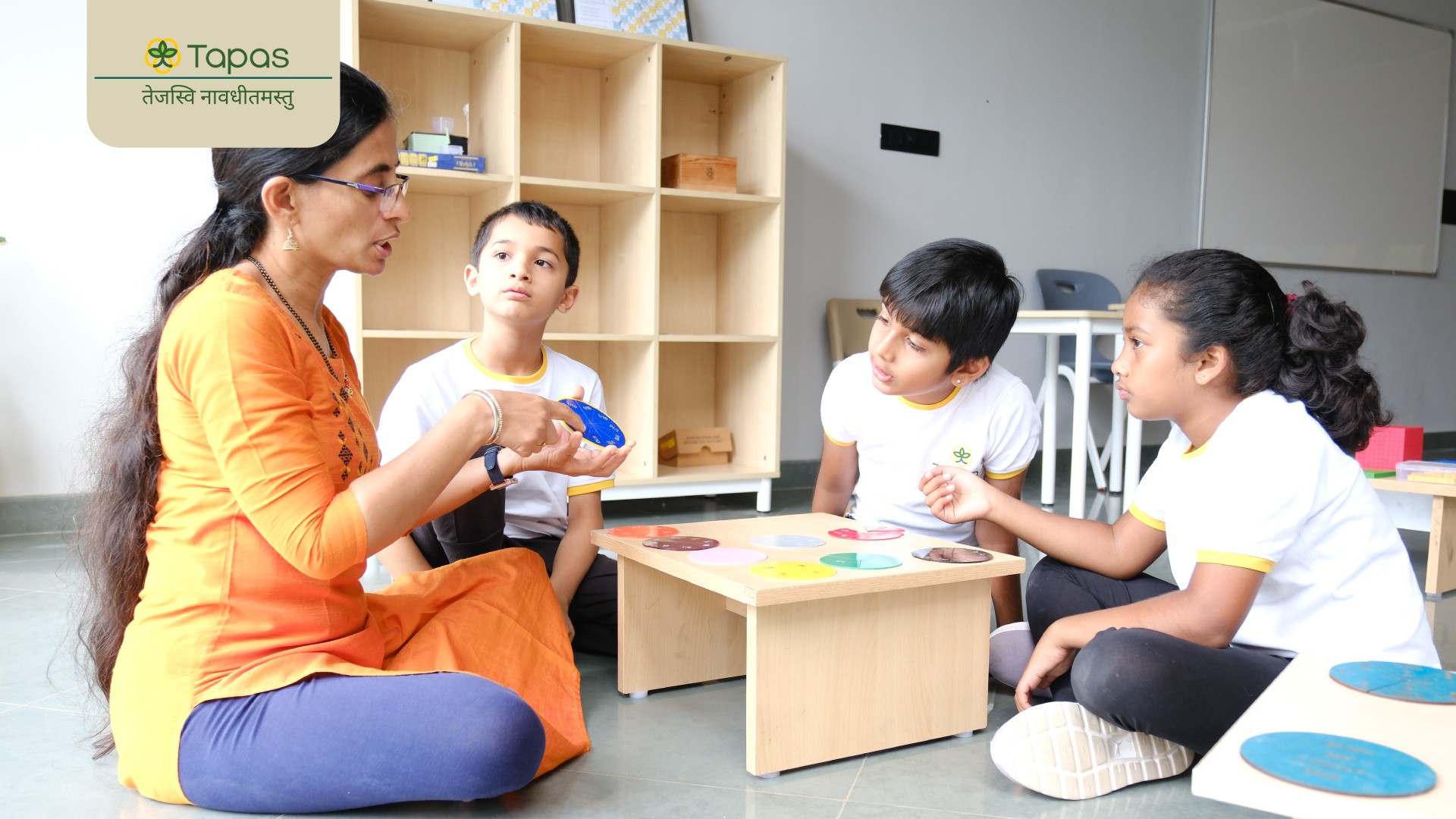
At Tapas Education in South Bangalore , learning anchors the whole child.
Students grow academically, emotionally, socially, and creatively together.
But before choosing a holistic school, parents must understand what holistic education really means.
Many schools utilise the term loosely without fully practicing it.
In this blog, you will learn:
Why it matters for modern learners
The key benefits of holistic learning for students
What parents should look for during school admissions
How Tapas approaches holistic education meaningfully
Let’s survey what truly makes a school holistic.
What Is Holistic Education in India?
It is an approach that linchpins on developing the whole child—not just academic skills.
Holistic education assists:
Intellectual growth
Emotional wellbeing
Creativity and expression
Social responsibility
Physical development
Learning goes beyond exams and textbooks.
It prepares children for life, not just tests.
Why Holistic Education Matters Today
The world is changing quickly.
Children need adaptability, creativity, and emotional intelligence.
Conventional systems often focus mainly on memorisation and performance.
This generates stress without building real-world skills.
Holistic education solves this by helping children:
Think independently
Communicate confidently
Build resilience
Collaborate effectively
Education becomes meaningful and balanced.
Advantages of Holistic Learning for Students
The benefits of holistic learning for students go far beyond academics.
1. Stronger Emotional Wellbeing
Children feel emotionally supported and secure.
This upgrades confidence and mental health.
2. Better Academic Understanding
Students understand concepts deeply instead of memorising answers.
3. Refined Creativity
Art, storytelling, projects, and exploration become part of everyday learning.
4. Stronger Social Skills
Students collaborate, communicate, and build compassion naturally.
5. Real-World Readiness
Children learn practical problem-solving and independent thinking.
What Holistic Learning Looks Like at Tapas
At Tapas Education, holistic learning is built into daily school life.
LEARNING AREA | PRACTICE | STUDENT OUTCOME |
Academics | Project-based Learning | Concept Clarity |
Emotional Growth | Reflection Circles | Self-awareness |
Creativity | Art and Storytelling | Confidence |
Social Learning | Group Collaboration | Communication Skills |
Outdoor Learning | Nature-based Activities | Curiosity and Focus |
Real Tapas Classroom Example
Students once explored food sustainability through community projects.
They researched farming, interviewed vendors, and generated awareness presentations.
Here, learning combined science, communication, and responsibility together.
How to Identify a Truly Holistic School
Not every school claiming to be holistic accompanies holistic practices truly.
Parents should look deeper.
Must-Ask Questions During School Visits:
How does the school aid emotional wellbeing?
Is project-based learning part of the curriculum?
How are creativity and arts integrated?
Do students learn through real-world experiences?
How are communication and collaboration encouraged?
The answers divulge the school’s true philosophy.
Holistic Schools in Bangalore Admission: What Parents Should Know
When exploring holistic schools in Bangalore admission, look keenly beyond infrastructure and rankings.
Pay attention to:
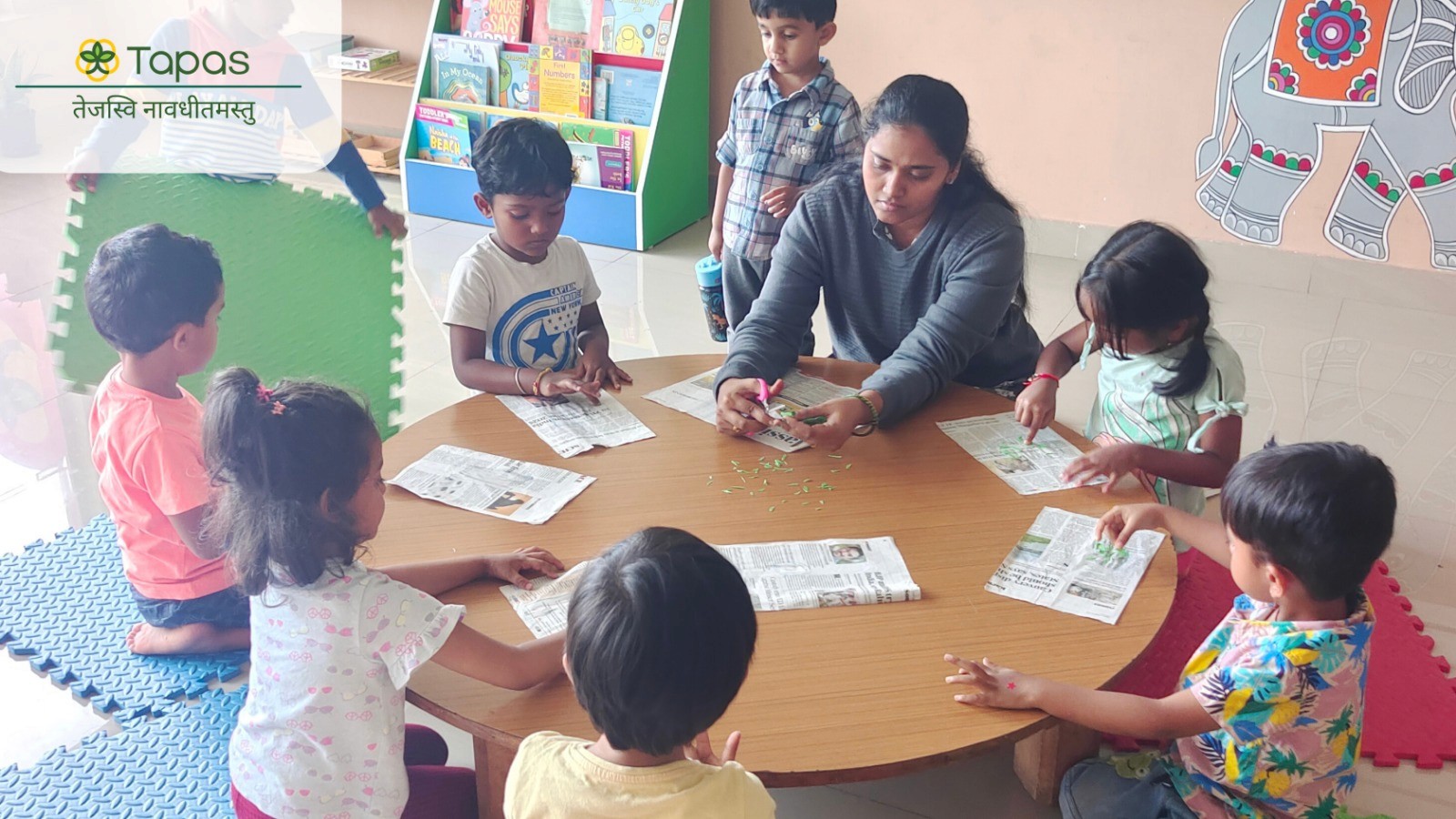
Classroom interactions
Student confidence levels
Teacher-student relationships
Learning environments
Balance between academics and wellbeing
The atmosphere often tells more than brochures.
Conclusion
Education in today's age must prepare children for more than exams.
It must help them grow into thoughtful, capable, and emotionally balanced individuals.
Understanding what is holistic education in India helps parents make informed school choices.
The right environment can configure not only academic success, but lifelong confidence and wellbeing.
At Tapas Education , holistic learning assists every aspect of a child’s growth naturally and meaningfully.
Looking for a school that values your child beyond marks?
Visit Tapas Education in South Bangalore and experience holistic learning in action.
Frequently Asked Questions
What is holistic education in India?
What is holistic education in India refers to a learning approach that focuses on academic, emotional, social, creative, and physical development of students.What are the benefits of holistic learning for students?
The benefits of holistic learning for students include better creativity, critical thinking, emotional growth, confidence, and practical life skills.Why are parents choosing holistic schools in Bangalore admission?
Parents prefer holistic schools in Bangalore admission because these schools encourage experiential learning, student well-being, and personalized education.How does holistic education help student development?
Holistic education supports overall student development through experiential activities, collaborative learning, and balanced academic growth.What should parents look for during holistic schools in Bangalore admission?
During holistic schools in Bangalore admission, parents should check the school’s teaching methods, learning environment, student support, and experiential programs.