Screens are everywhere today.
Children use them to learn, communicate, create, and entertain themselves.
But many parents ask the same question:
"How much screen time is too much?"
The answer is not always that simple.
Technology has transformed education in remarkable ways. Students can access information instantly, collaborate globally, and learn through interactive experiences.
At the same time, excessive screen utilisation raises concerns about attention spans, sleep quality, physical activity, and emotional wellbeing.
The conversation is no longer about eliminating technology.
It is about using technology wisely.
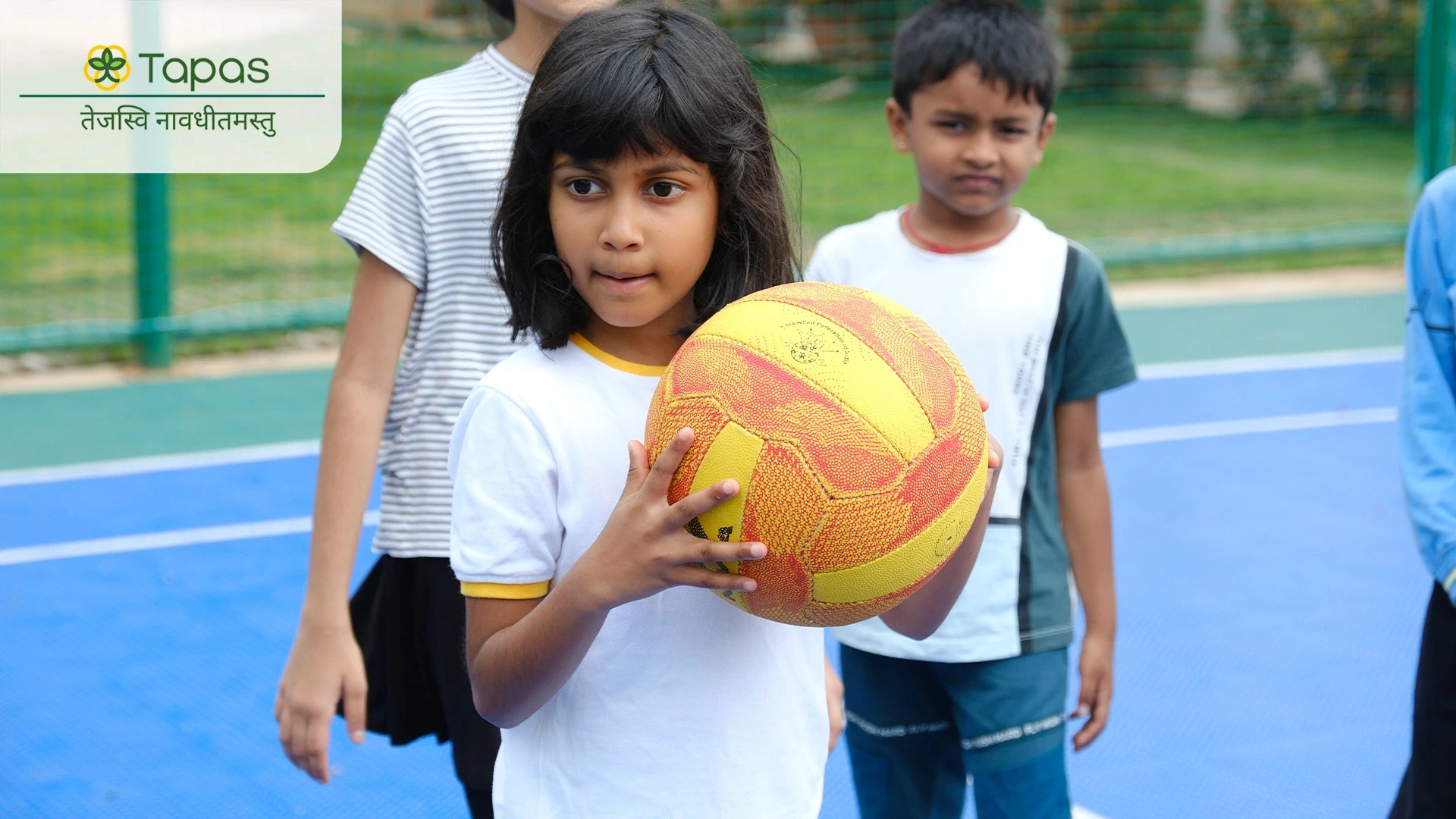
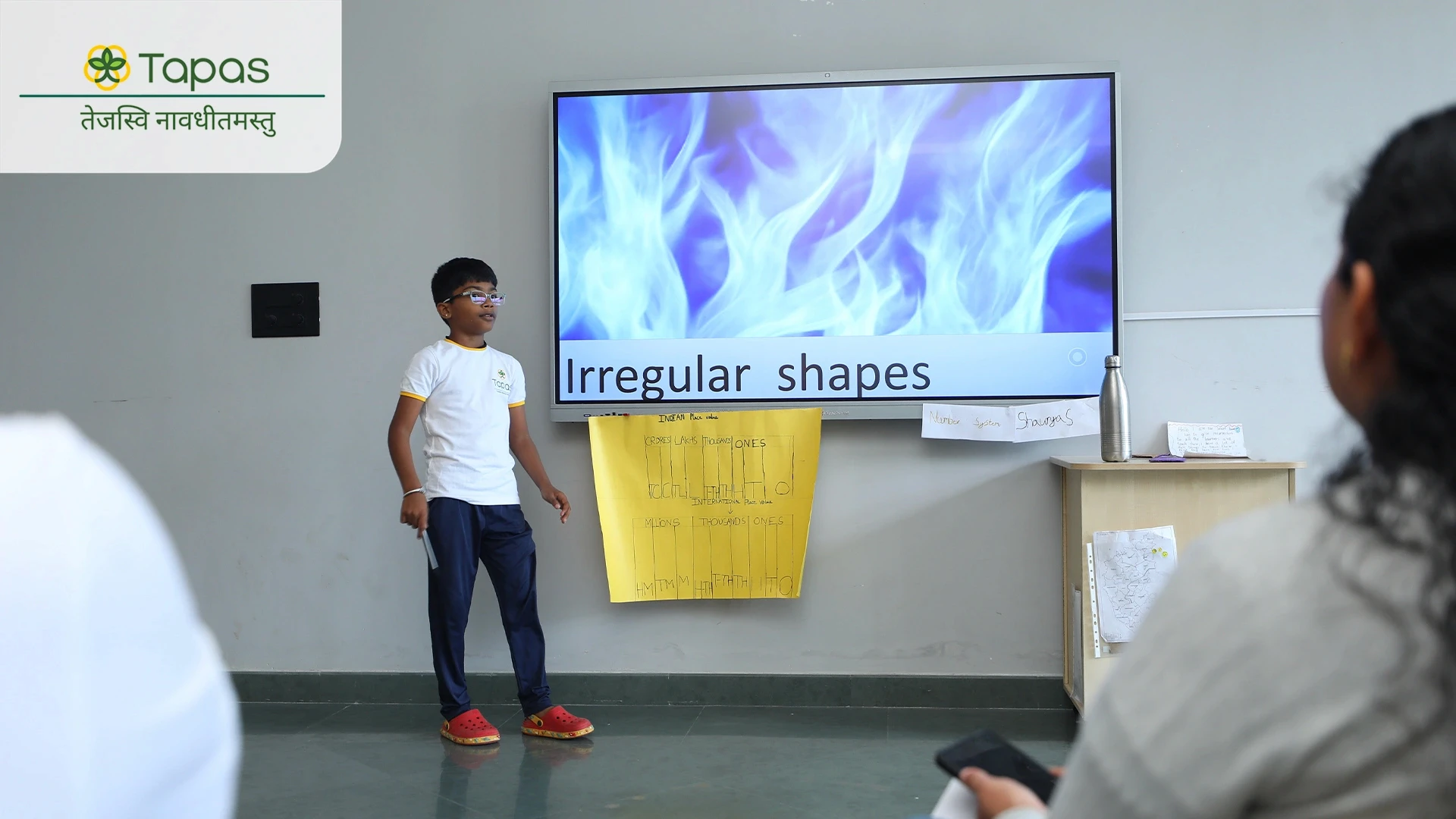
At Tapas Education in South Bangalore, technology is viewed as a tool, not a replacement for real-world experiences. Learning merges digital resources with hands-on exploration, collaboration, creativity, and reflection.
In this blog, you will learn:
The role of technology in modern education
The ideal balance for screen time for kids learning
The benefits of technology in education
How parents can ensure online learning for children's safety
Practical tips for creating healthy digital habits
Let's survey how to strike the right balance.
Why Technology Is Important in Education
Technology has changed how children access and engage with information.
Students can now:
Watch educational videos
Participate in virtual discussions
Access digital libraries
Explore interactive learning platforms
Technology makes learning more accessible and engaging.
It also aids different learning styles effectively.

Benefits of Technology in Education
The benefits of technology in education are significant when used thoughtfully.
1. Personalized Learning
Children can learn at their own pace.
Educational platforms adjust according to different abilities and interests.
2. Better Access to Information
Students can explore topics beyond textbooks.
Learning becomes broader and more relevant.
3. Increased Engagement
Interactive tools often make lessons more enjoyable.
Visual and multimedia content assists understanding.
4. Collaboration Opportunities
Technology helps students connect and work together.
Group projects become easier and more dynamic.
5. Digital Literacy Development
Technology prepares children for future academic and professional environments.
Digital skills are increasingly crucial.
When Screen Time Becomes a Problem
Technology becomes challenging when balance does a complete vanishing act.
Excessive screen use may contribute to:
Reduced physical activity
Sleep disruptions
Eye strain
Shorter attention spans
Less face-to-face interaction
The issue is often not the screen itself.
The issue is how the screen is employed.
Screen Time for Kids Learning: Quality Matters More Than Quantity
Parents often centre only on the number of hours.
However, experts increasingly emphasize screen quality over screen quantity.
Get these questions answered:
Is the activity educational?
Is it interactive?
Does it encourage creativity?
Is it age-appropriate?
A productive hour differs greatly from passive scrolling.
What Healthy Screen Use Looks Like
Balanced technology use includes:
Active Screen Time
Examples can be:
Research projects
Educational games
Coding activities
Creative design work
These experiences encourage learning and participation.
Passive Screen Time
Examples include:
Endless video watching
Mindless (Doom) scrolling
Repetitive entertainment consumption
Too much passive use offers limited learning value.
How Tapas Utilises Technology Thoughtfully
At Tapas Education, technology supports learning without dominating it.
LEARNING FOCUS | TECHNOLOGY USE | STUDENT OUTCOME |
Research Projects | Digital resources | Inquiry skills |
Collaboration | Shared digital tools | Teamwork |
Creativity | Multimedia creation | Expression |
Reflection | Learning portfolios | Self-awareness |
Technology remains one part of a broader learning experience.
Students also engage in:
Outdoor learning
Discussions
Hands-on projects
Community experiences
Online Learning for Children's Safety
Parents should prioritize online learning for children's safety.
Practical steps include:
Use Age-Appropriate Platforms
Select trusted educational platforms designed for children.
Monitor Online Activity
Stay involved without becoming intrusive.
Discuss online experiences regularly.
Teach Digital Citizenship
Children should learn:
Online etiquette
Privacy awareness
Responsible technology use
These skills are increasingly important.
Create Screen-Free Zones
Examples include:
Dining tables
Bedrooms
Family time
This helps in maintaining healthy boundaries.
Home Learning Tips for Healthy Technology Use
Parents can encourage stable habits through simple routines.
Try These Strategies:
Prioritize educational use first
Encourage outdoor play daily
Schedule screen-free family activities
Model healthy technology habits
Discuss digital experiences openly
Children often follow what they observe.
Conclusion
Technology is now an essential part of modern-day education.
The goal is not to eliminate screens.
The goal is to use them intentionally.
Understanding screen time for kids learning helps parents make informed decisions.
The best learning experiences amalgamate technology with creativity, movement, discussion, and real-world exploration.
At Tapas Education, technology supports curiosity rather than replacing human connection and experiential learning.
Children benefit most when digital learning and real-life experiences work together.
Looking for a school that balances innovation with holistic development?
Frequently Asked Questions
What is the recommended screen time for kids learning?
Screen time for kids learning should be balanced with offline activities, ensuring technology supports education without affecting health and development.What are the benefits of technology in education for students?
The benefits of technology in education include personalized learning, improved engagement, access to educational resources, and enhanced digital skills.How can parents ensure online learning for children safety?
Parents can support online learning for children safety by monitoring screen use, choosing age-appropriate platforms, and encouraging safe internet habits.Can screen time for kids learning improve academic performance?
Yes, screen time for kids learning can improve academic performance when educational technology is used purposefully and in moderation.Why is online learning for children safety important in modern education?
Online learning for children safety is important because it helps protect students from online risks while allowing them to benefit from digital learning opportunities.