The Balance Between Freedom and Discipline in Education
Should children be given complete freedom in school?
Or should discipline always come first?
Many parents believe they must choose one over the other.
In reality, the best learning environments merge both.
Too much discipline can limit creativity and curiosity.
Too much freedom can create confusion and inconsistency.
The most effective schools understand that children thrive when freedom and discipline work together.
This is especially important in contemporary education.
Students need opportunities to explore, think independently, and make choices.
At the same time, they need structure, responsibility, and accountability.
At Tapas Education in South Bangalore, learning is built around this balance.
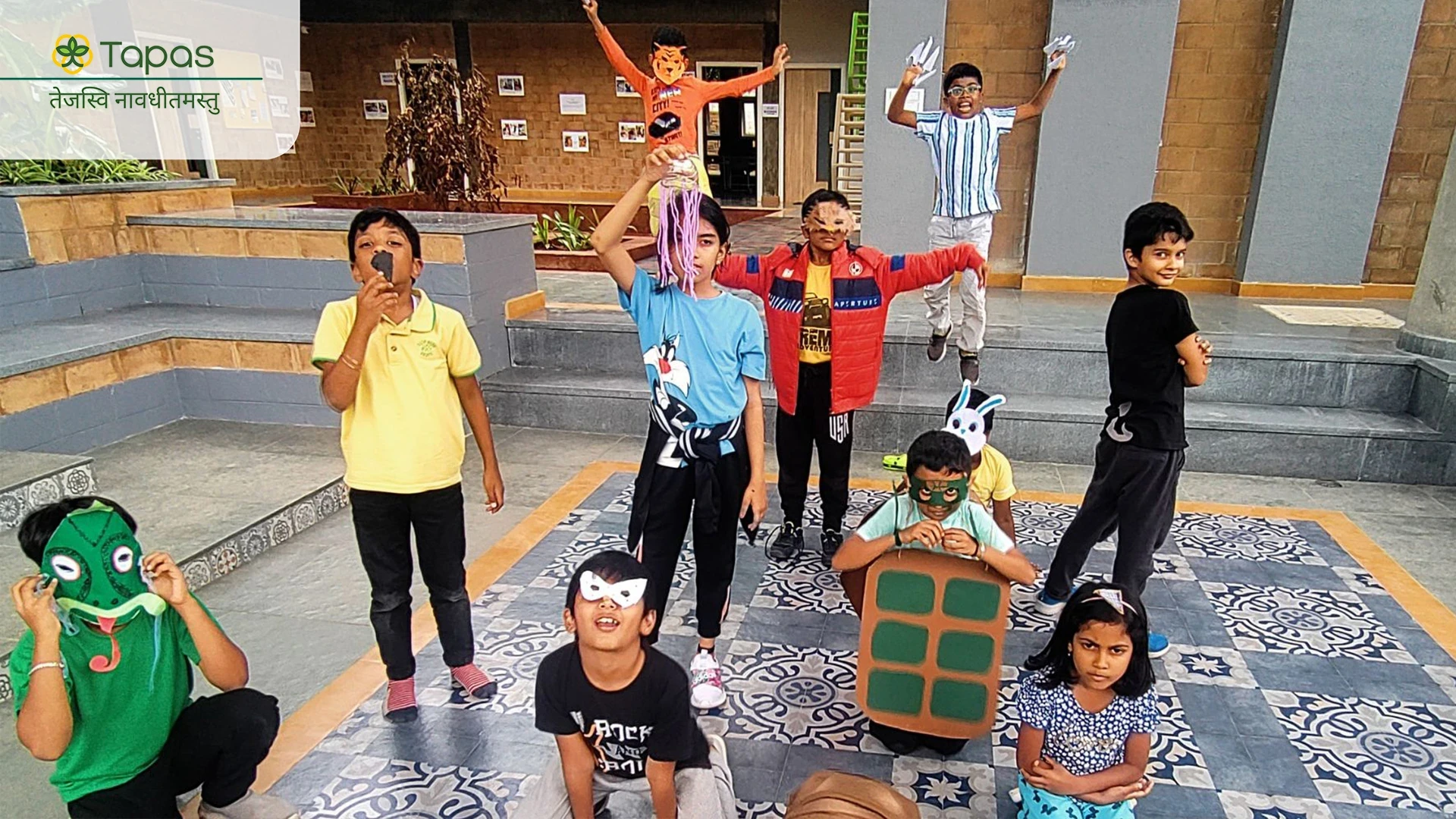
Students are encouraged to ask questions, pursue interests, and take ownership of learning.
At the same time, they learn responsibility, respect, and self-discipline.
In this blog, you will learn:
Why the balance between freedom and discipline in education matters
How progressive schools approach discipline differently
The connection between freedom and responsibility
How schools build self-discipline
What parents should look for in modern learning environments
Let's survey why freedom and discipline are partners, not opposites.
balance between freedom and discipline in education
What Does Freedom Mean in Education?
Freedom in education does not mean a lack of rules.
It means giving students meaningful choices within a structured environment.
Examples include:
Selecting project topics
Exploring personal interests
Asking questions freely
Participating in decision-making
Freedom encourages ownership of learning.
What Does Discipline Mean in Education?
Discipline is often misunderstood.
True discipline is not about control.
It is about developing habits that support growth and responsibility.
Discipline aids students:
Manage time effectively
Respect others
Stay focused
Complete commitments
The goal is self-discipline, not external control.
The Balance Between Freedom and Discipline in Education
The strongest learning environments amalgamate both elements.
Freedom encourages exploration.
Discipline provides direction.
Together they help students:
Make responsible choices
Learn independently
Develop confidence
Build accountability
Balance creates sustainable growth.
Why Student-Centered Learning Still Needs Discipline
Many people assume student centered learning and classroom discipline cannot coexist.
The opposite is often true.
Student-centered classrooms require students to:
Take responsibility
Manage tasks
Work collaboratively
Respect shared agreements
Freedom works best when assisted by structure.
Importance of Discipline in Progressive Education
The importance of discipline in progressive education is often overlooked.
Progressive schools do not eliminate discipline.
They redefine it.
Instead of relying on fear or punishment, they motivate:
Self-management
Reflection
Personal accountability
Respectful behaviour
Students learn why discipline matters.
This creates stronger long-term habits.
Benefits of Balancing Freedom and Discipline
1. Builds Independence
Students learn to make decisions responsibly.
They become active participants in learning.
2. Ameliorates Confidence
Children trust themselves when given appropriate freedom.
Confidence grows through experience.
3. Strengthens Responsibility
Freedom teaches children that options have consequences.
Responsibility develops naturally.
4. Encourages Creativity
Students explore ideas while working within clear expectations.
Creativity flourishes within structure.
5. Supports Emotional Growth
Children learn self-regulation and resilience.
These skills gain them throughout life.
How Tapas Creates This Balance
At Tapas Education, freedom and discipline work together every day.
LEARNING PRACTICE | STUDENT EXPERIENCE | OUTCOME |
Inquiry Learning | Choice and exploration | Curiosity |
Project Work | Ownership and accountability | Responsibility |
Reflection Circles | Self-assessment | Self-awareness |
Collaborative Learning | Shared expectations | Respect |
Students thrive in both independence and discipline.
Real Classroom Example
Students once designed solutions for reducing waste on campus.
They selecttheir own approaches.
However, they also managed timelines, responsibilities, and presentations.
Freedom encouraged creativity.
Discipline ensured meaningful outcomes.
Both were essential.
How Parents Can Support This Balance at Home
Parents play a key role too.
Offer Choices
Allow children to make age-appropriate decisions.
Examples include:
Choosing books
Organising study schedules
Selecting projects
Maintain Clear Expectations
Children benefit from consistency.
Margins provide security and clarity.
Encourage Accountability
Help children reflect on decisions and outcomes.
Learning comes through experience.
Model Self-Discipline
Children learn more from observation than instruction.
Healthy habits are infectious.
FAQs
1.Does freedom lessen discipline?
No.
When structured properly, freedom strengthens self-discipline.
2.Are progressive schools less disciplined?
No.
They centre on internal discipline rather than external control.
3.Can young children handle educational freedom?
Yes.
Age-appropriate choices help develop responsibility gradually.
Conclusion
The debate between freedom and discipline often misses a pertinent truth.
Children need both.
The balance between freedom and discipline in education helps students become confident, responsible, and independent learners.
Freedom encourages exploration.
Discipline provides structure.
Together they generate meaningful growth.
At Tapas Education, students experience learning environments where curiosity is encouraged and responsibility is expected.
This balance helps children thrive academically, emotionally, and socially.
Looking for a school that combines freedom with responsibility?