Have you ever sat with your child during homework and wondered whether you're helping or adding pressure?
Many parents face this challenge today.
They want their children to succeed, stay motivated, and enjoy learning. Yet, in trying to help, learning can sometimes become stressful.
The good news is that children do not need constant supervision or pressure to learn well.
Research consistently shows that children learn best when they feel supported, safe, and curious.
The role of parents is not to become teachers at home.
Instead, it is to create an environment where learning feels natural and enjoyable.
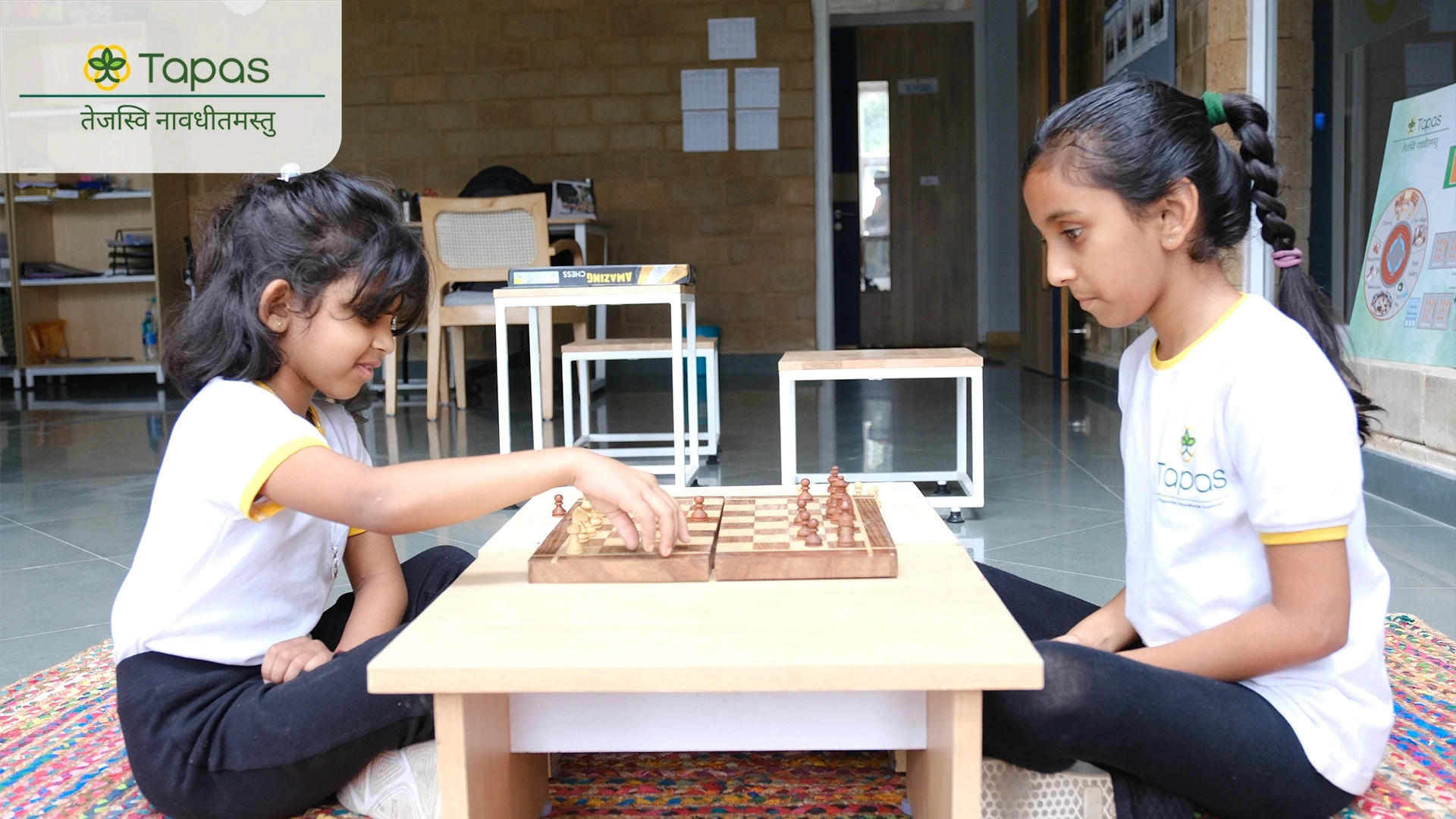
At Tapas Education in South Bangalore, we believe learning happens everywhere, not just in classrooms.
Children grow when they are encouraged to explore, ask questions, and think independently.
In this blog, you will learn:
How parents can support learning at home
Practical home learning tips for school students
Simple strategies to reduce academic pressure
How to help children build independent learning habits
Ways to make learning enjoyable and meaningful
Let's explore how small changes at home can make a big difference.
Why Learning at Home Matters
Children spend only part of their day at school.
The home environment plays a major role in shaping attitudes towards learning.
A supportive home helps children:
Stay curious
Build confidence
Develop responsibility
Strengthen learning habits
Parents influence learning more through daily interactions than through extra worksheets.
What Children Really Need From Parents
Many parents think they must constantly monitor academics.
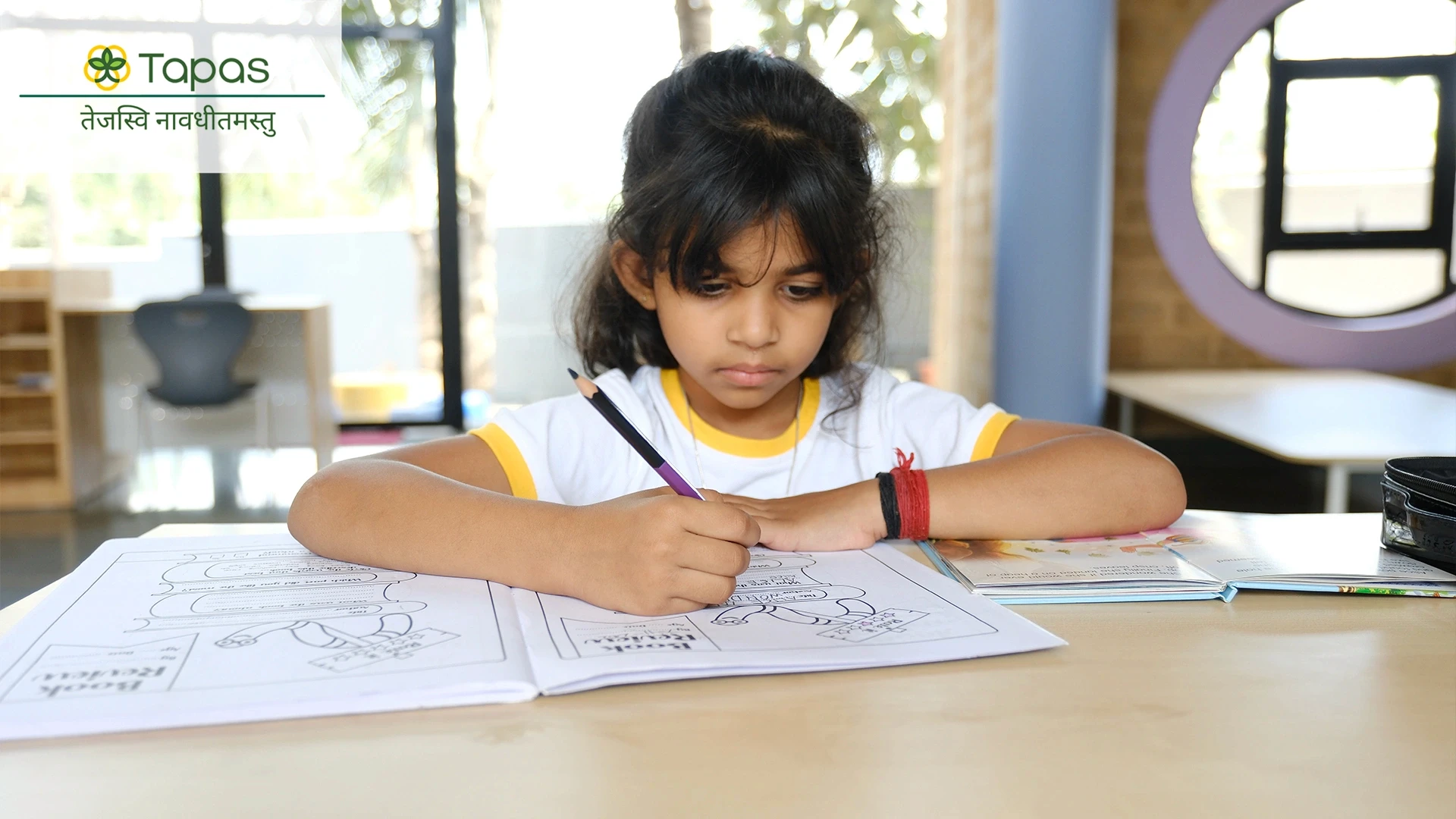
In reality, children need encouragement more than supervision.
They benefit when parents:
Listen actively
Show interest in learning
Encourage effort
Celebrate progress
Support builds motivation.
Pressure often creates resistance.
How Parents Can Support Learning at Home
1. Create a Calm Learning Environment
Children focus better in organised spaces.
A learning area does not need to be elaborate.
Simple elements help:
Good lighting
Minimal distractions
Comfortable seating
Easy access to books
Consistency supports concentration.
2. Focus on Curiosity, Not Just Results
Ask questions beyond schoolwork.
Examples include:
What surprised you today?
What did you enjoy learning?
What would you like to know more about?
Curiosity keeps learning alive.
3. Encourage Independent Thinking
Avoid immediately providing answers.
Instead, ask:
What do you think?
How would you solve this?
What could you try next?
Independent thinking builds confidence.
4. Make Learning Part of Everyday Life
Learning opportunities exist everywhere.
Examples include:
Measuring ingredients while cooking
Budgeting during shopping
Observing nature during walks
Reading signboards and maps
Real-life learning feels meaningful.
Home Learning Tips for School Students
Here are practical home learning tips for school students:
Build Simple Routines
Children benefit from predictable schedules.
Include:
Reading time
Outdoor play
Family conversations
Homework time
Balance is important.
Encourage Reading for Pleasure
Reading develops:
Vocabulary
Imagination
Focus
Communication skills
Let children choose books that interest them.

Limit Comparison
Every child learns differently.
Comparisons often reduce confidence.
Focus on personal growth instead.
Celebrate Effort
Praise persistence rather than perfection.
For example:
"You worked hard on this."
"I like how you kept trying."
Effort-based feedback builds resilience.
How to Help Children Study Effectively
Parents often ask how to help children study effectively.
The answer is simpler than many expect.
Encourage Small Learning Sessions
Short, focused sessions work better than long study marathons.
Children retain more information this way.
Use Reflection
Ask children:
What did you learn today?
What was challenging?
What helped you understand better?
Reflection improves retention.
Support Goal Setting
Help children create small goals.
Examples include:
Finish one chapter
Read for twenty minutes
Complete a project milestone
Small wins build momentum.
How Tapas Encourages Learning Beyond School
At Tapas Education, learning extends beyond classrooms.
LEARNING FOCUS | STUDENT EXPERIENCE | OUTCOME |
Inquiry Learning | Asking questions | Curiosity |
Project-Based Learning | Real-world exploration | Problem-solving |
Reflection Practices | Self-assessment | Confidence |
Collaborative Learning | Group discussions | Communication |
Real Example
Students once explored local biodiversity through observation and research.
Families assisted discussions at home.
Learning became a shared experience rather than a task.
Common Mistakes Parents Should Dodge
Over-Scheduling
Children need downtime to think and create.
Too many activities can lessen motivation.
Solving Every Problem
Allow children to struggle productively.
Challenges help develop resilience.
Centering Only on Marks
Marks matter, but they are not the entire story.
Skills, habits, and confidence matter too.
Conclusion
Supporting learning at home does not require becoming a teacher.
It needs to create an environment where curiosity, confidence, and independence can grow.
Understanding how parents can support learning at home helps children develop healthy attitudes towards education.
The most powerful and robust support often comes through conversations, encouragement, and everyday experiences.
At Tapas Education, we believe learning thrives when schools and families work together.
Children learn best when they feel supported, not pressured.
Looking for a school that values curiosity, independence, and meaningful learning?
Visit Tapas Education in South Bangalore and unearth an approach that helps children love learning for life.
Frequently Asked Questions
How parents can support learning at home without creating pressure?
Parents can support learning at home by creating a positive routine, encouraging curiosity, and focusing on progress rather than academic performance alone.
What are the best home learning tips for school students?
Effective home learning tips for school students include maintaining a study schedule, reducing distractions, and encouraging active participation in learning.How to help children study effectively at home?
To help children study effectively, parents should provide a supportive environment, set realistic goals, and encourage independent problem-solving.Why is a balanced approach important for home learning?
A balanced approach helps children stay motivated, reduces stress, and makes learning more enjoyable and sustainable over time.How can parents support learning at home and build confidence?
Parents can support learning at home by celebrating small achievements, encouraging questions, and helping children develop strong study habits and self-confidence.