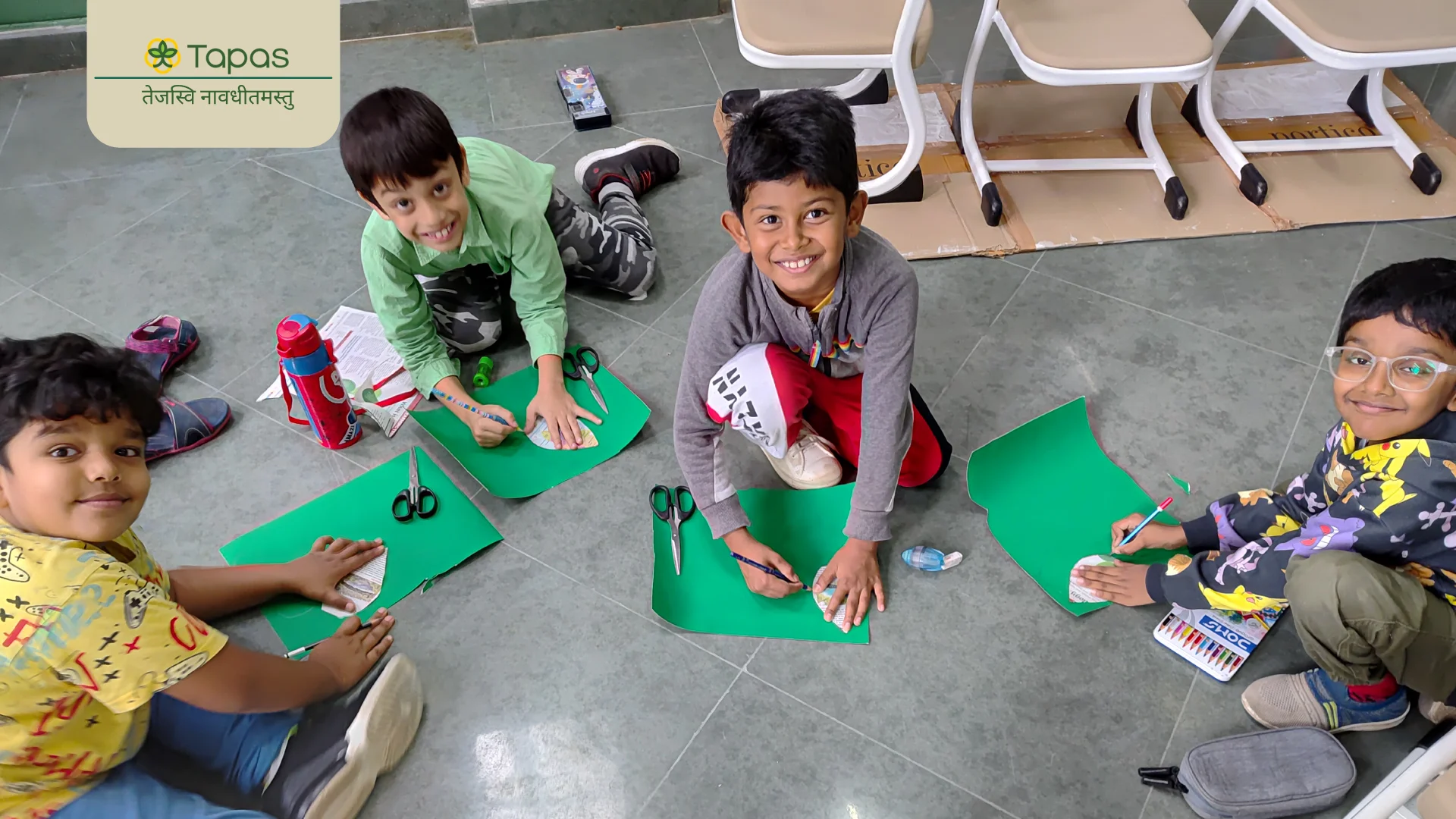
What if schools centred not only on marks, but also on values, creativity, and thinking skills?
Today’s world demands more than academic victory.
It requires children who can think clearly, act responsibly, and create confidently.
However, many classrooms still disconnect learning into subjects and silos.
Values are taught in theory.
Creativity is treated as extra.
Critical thinking is rarely practiced daily.
This creates a chasm.
Children know answers but struggle to apply them in real life.
Contemporary schools are now bridging this gap through value based progressive education.
They merge emotional growth, creativity, and thinking skills into everyday learning.
At Tapas Education in South Bangalore, this integration happens naturally.
Students survey ideas, reflect on actions, and solve real-world problems.
In this blog, you will learn:
What integrated learning actually means
Why it assists holistic development in education India
How schools build critical thinking skills in school curriculum
Real examples from Tapas classrooms
What parents should look for in future-ready education
Let’s explore how meaningful learning shapes confident learners.
What Is Value-Based Progressive Education?
Value based progressive education pivots on developing the whole child.
It goes beyond textbooks and exams.
It integrates:
Academic learning
Emotional growth
Ethical values
Creativity
Critical thinking
Learning becomes affixed, not isolated.
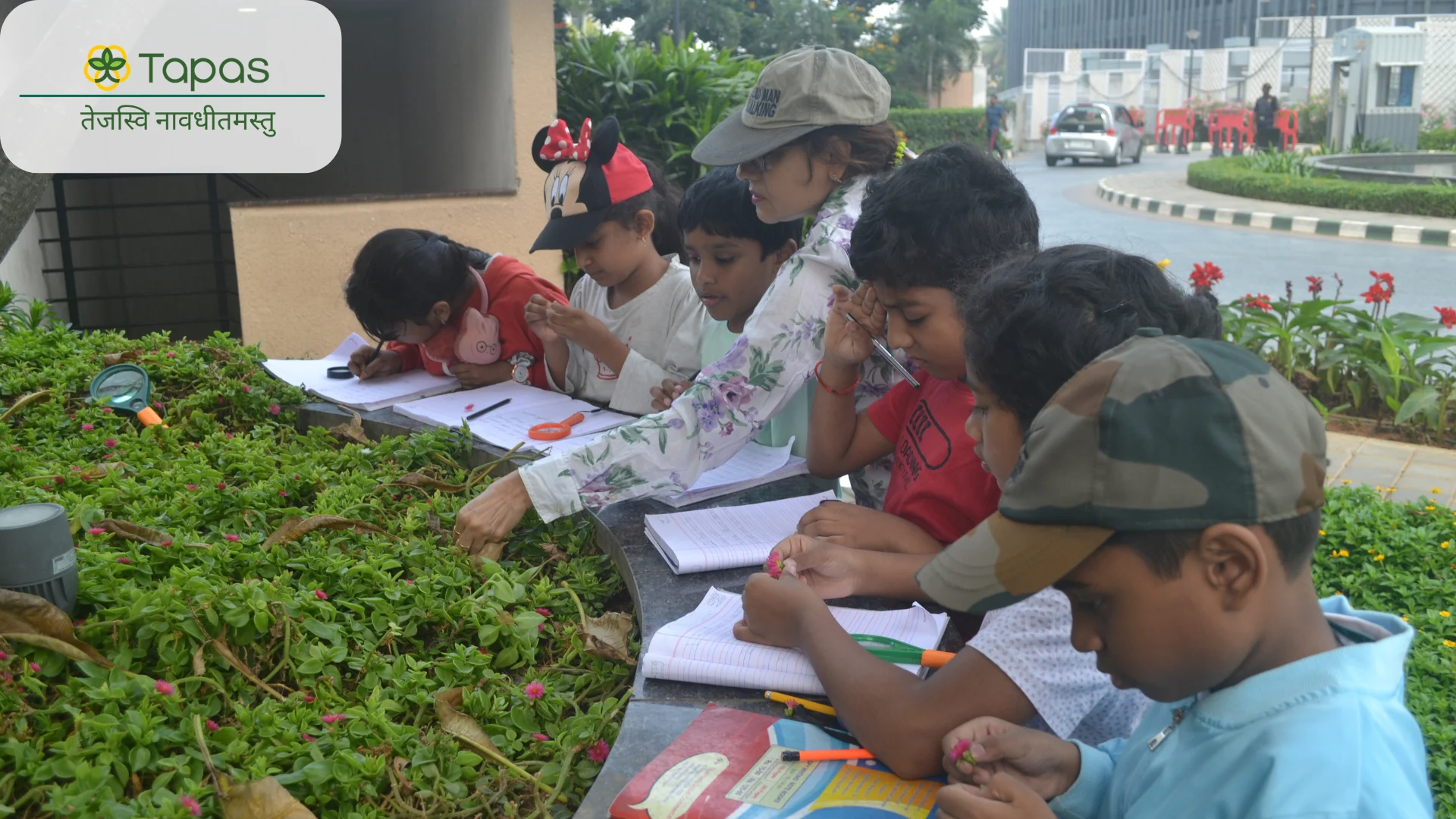
Why Integration Matters in Modern Schools
Today’s children go through complex challenges.
They need skills that go beyond memorisation.
When learning is disconnected:
Students struggle to apply knowledge
Creativity stays underdeveloped
Values remain theoretical
Integrated learning solves this by connecting thinking, feeling, and doing.
Core Pillars of Modern Education
Modern schools focus on three core areas:
1. Values in Everyday Learning
Values are practiced through actions, not just lessons.
Students learn:
Empathy
Responsibility
Respect
Ethical decision-making
2. Creativity as a Learning Tool
Creativity is part of every subject.
It comprises:
Art and design thinking
Storytelling and expression
Open-ended problem-solving
Creativity makes learning engaging and memorable.
3. Critical Thinking Skills in School Curriculum
Critical thinking skills in school curriculum aid students analyse and evaluate ideas.
Students learn to:
Ask meaningful questions
Compare different perspectives
Solve complex problems
Reflect on outcomes
This builds independent thinkers.
How Tapas Integrates These Elements
At Tapas Education, learning experiences merge values, creativity, and thinking naturally.
LEARNING AREA | PRACTICE | OUTCOME |
Project-based Learning | Real-world Challenges | Problem-solving |
Reflection Circles | Emotional Discussions | Self-awareness |
Creative Expression | Art + Storytelling | Confidence |
Inquiry Learning | Student-led Questions | Critical Thinking |
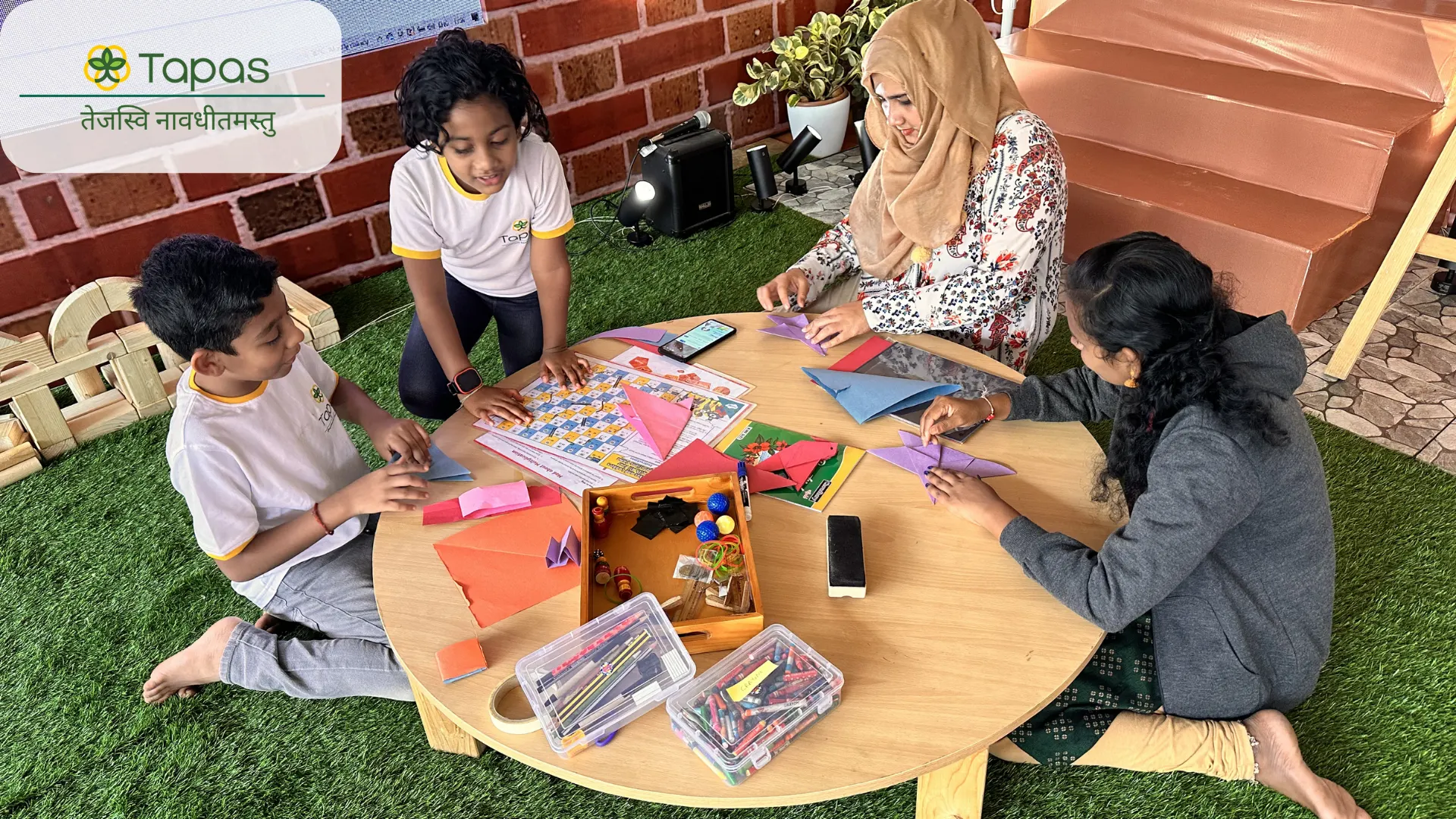
Real Classroom Example
Students explored lessening plastic waste in their community.
They researched, designed alternatives, and generated awareness campaigns.
They applied science, creativity, and responsibility together.
Benefits of Holistic Learning Approach
A strong focus on holistic development in education India creates steady learners.
Key benefits include:
Stronger Problem-Solving Skills
Students apply knowledge in real situations.Higher Creativity
Children generate original ideas.Better Emotional Intelligence
Values guide behaviour and relationships.Improved Decision-Making
Students think before acting.Real-World Readiness
Learning connects to life beyond school.
How Schools Implement This Approach
Progressive schools follow practical strategies:
Utilise project-based learning
Encourage open-ended questions
Integrate arts into academics
Include reflection and discussion
Promote collaboration over competition
Teachers guide rather than manage only learning.
What Parents Should Look For
When opting for schools, look for:
Balanced nucleus on academics and values
Opportunities for creativity
Strong emphasis on thinking skills
Real-world learning experiences
Safe and open learning environments
These indicators show real integration.
Conclusion
Education should prepare children for life, not just exams.
It should erect thinkers, creators, and responsible individuals.
Value based progressive education integrates values, creativity, and thinking into everyday learning.
It supports true holistic development in education India.
At Tapas Education , students learn to think deeply, act responsibly, and express confidently.
Want to see future-ready education in action?Visit Tapas Education in South Bangalore and experience learning that shapes the complete child.
Frequently Asked Questions
What is value based progressive education in modern schools?
Value based progressive education focuses on ethics, creativity, and real-life learning to build well-rounded and responsible students.Why are critical thinking skills important in the school curriculum?
Critical thinking skills in school curriculum help students analyze, solve problems, and make informed decisions beyond rote learning.How does holistic development in education in India benefit students?
Holistic development in education India improves emotional, social, and intellectual growth, preparing students for real-world challenges.How do progressive schools develop critical thinking skills?
Progressive schools use projects, discussions, and experiential learning to strengthen critical thinking skills in school curriculum.How does value based education support holistic development?
Value based progressive education builds empathy, responsibility, and self-awareness, contributing to holistic development in education India.