What will today's children need to succeed twenty years from now?
The truthful answer is surprising.
Many future jobs do not even exist yet.
Technology, artificial intelligence, and global connectivity are changing the world swifter than ever before.
This means academic knowledge alone is no longer enough.
Children need skills that help them adapt, collaborate, think critically, and solve new problems.
These are often called 21st century skills for students.
Forward-thinking schools are now pivoting on developing these abilities alongside academics.
At Tapas Education in South Bangalore, learning is designed to prepare children not just for exams, but for life.
Students engage in projects, discussions, reflection, creativity, and real-world experiences that build essential future-ready skills.
In this blog, you will learn:
What 21st century skills are
Why they matter more than ever
How schools can develop these abilities
How Tapas helps children become future-ready learners
Let's explore the skills that truly matter in today's world.
What Are 21st Century Skills?
21st century skills for students are abilities that help children succeed in school, work, and life.
These skills go much beyond academic subjects.
They focus on how children think, communicate, and adapt.
Modern education increasingly recognises their importance.
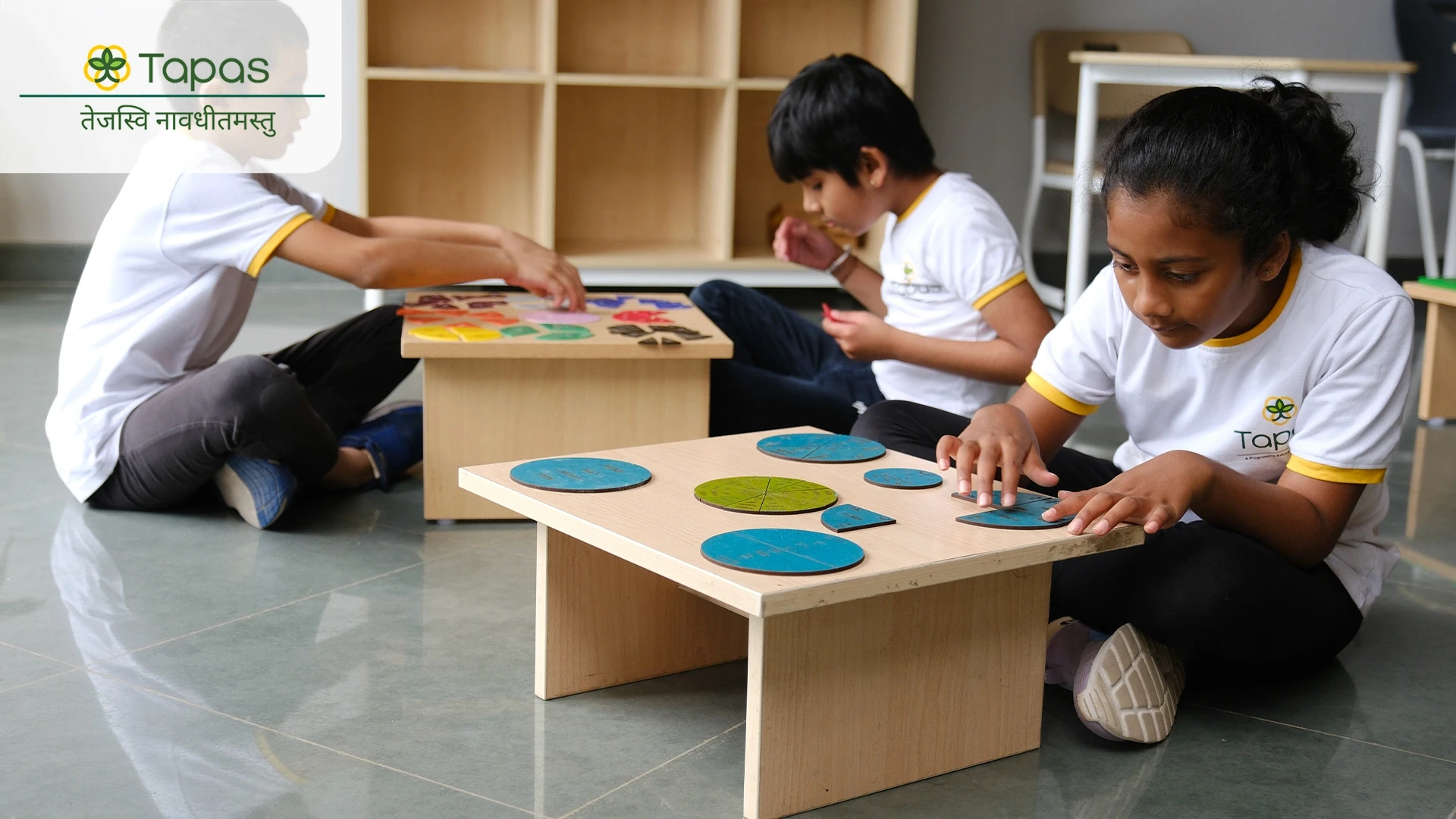
Why These Skills Matter Today
The world is becoming more complex and interconnected.
Children face challenges that need more than memorisation.
Future success depends on the ability to:
Learn continuously
Solve problems
Work with others
Adapt to change
These skills support lifelong growth.
The Most Important Skills Children Need for Future Jobs
1. Critical Thinking
Children must learn how to analyse information.
They should:
Ask questions
Evaluate evidence
Make informed decisions
Critical thinkers become confident problem-solvers.
2. Creativity
Creativity drives innovation.
It helps children:
Generate new ideas
Detect unique solutions
Approach challenges differently
Creativity is valuable across every profession.
3. Communication
Strong communication helps children express ideas clearly.
This includes:
Speaking confidently
Listening actively
Writing effectively
Communication boosts confidence and leadership.
4. Collaboration
Future workplaces rely heavily on teamwork.
Children require opportunities to:
Work in groups
Share responsibilities
Respect different viewpoints
Collaboration strengthens social skills.
5. Adaptability
Change is constant.
Children must learn to:
Adjust to new situations
Espouse uncertainty
Learn from mistakes
Adaptability builds resilience.
6. Emotional Intelligence
Success depends on understanding people as much as understanding information.
Emotional intelligence comprises of:
Self-awareness
Empathy
Relationship skills
These abilities support personal and professional growth.
7. Digital Literacy
Technology is now part of everyday life.
Children should learn how to:
Utilise technology responsibly
Evaluate online information
Navigate digital environments safely
Digital literacy supports future opportunities.
Future Ready Skills Education India: Why Schools Must Evolve
Future ready skills education India is becoming increasingly important.
Traditional models bedrocked heavily on memorisation.
Modern education focuses on:
Application
Understanding
Creativity
Collaboration
Schools must prepare students for an unpredictable future.
How Tapas Develops 21st Century Skills
At Tapas Education, these skills are woven into everyday learning.
SKILL | LEARNING EXPERIENCE | STUDENT OUTCOME |
Critical Thinking | Inquiry projects | Problem-solving |
Communication | Presentations | Confidence |
Collaboration | Group activities | Teamwork |
Creativity | Open-ended projects | Innovation |
Emotional Intelligence | Reflection circles | Self-awareness |
Learning becomes active and meaningful.
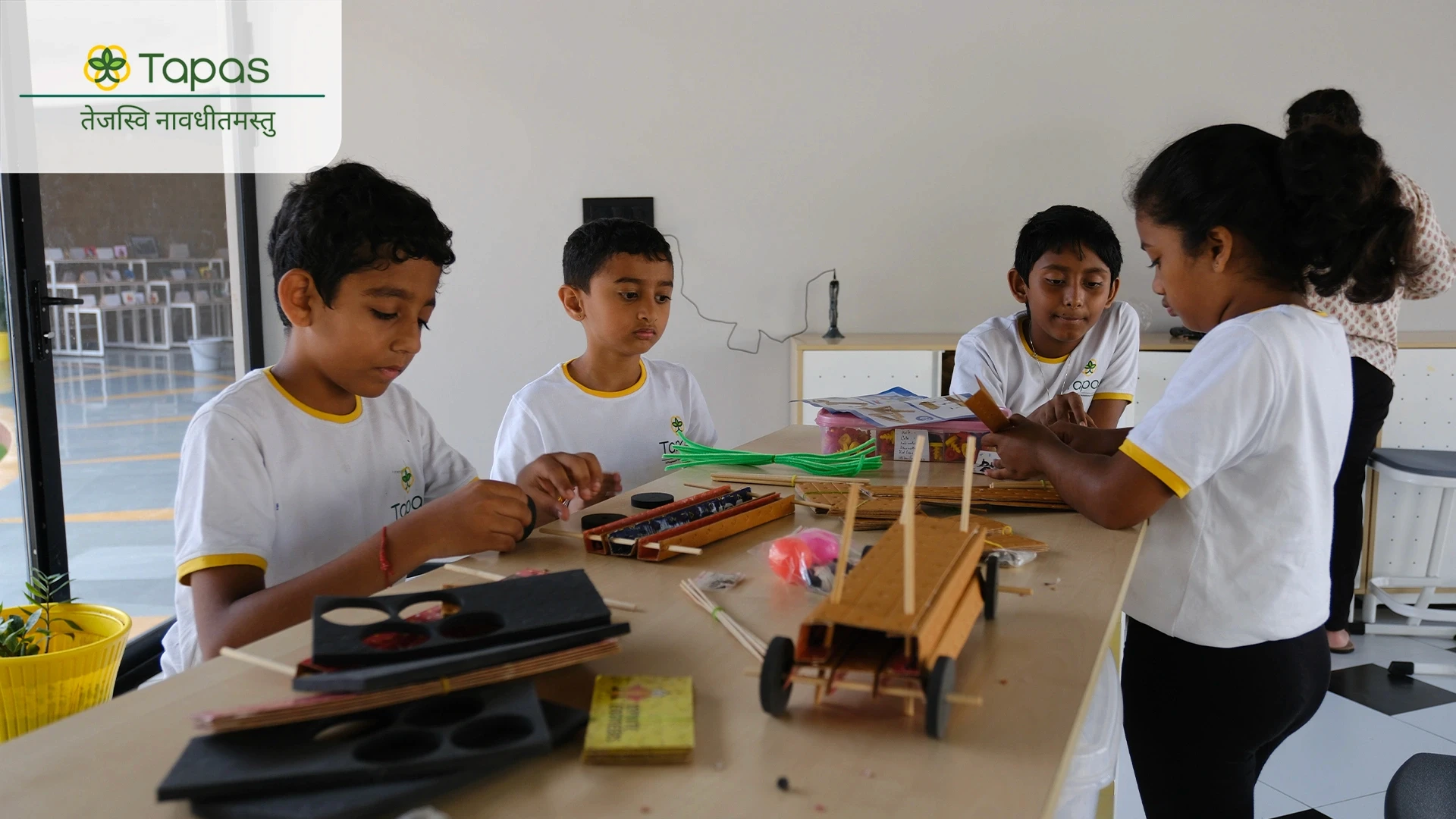
Real Classroom Example
Early this year, students explored sustainable living practices.
They:
Conducted research
Interviewed community members
Designed solutions
Presented findings
The project developed multiple future-ready skills simultaneously.
Students learned far more than facts.
They learned how to think and act.
How Parents Can Aid These Skills at Home
Parents play an important role too.
Simple strategies are:
Encourage Questions
Curiosity drives learning.
Welcome questions instead of rushing to provide answers.
Promote Independent Thinking
Ask:
What do you think?
How would you solve this?
These conversations build confidence.
Support Creativity
Allot time for:
Art
Building projects
Storytelling
Exploration
Creativity grows through practice.
Encourage Responsibility
Small responsibilities build independence and decision-making skills.
Conclusion
The future belongs to learners who can adapt, think critically, communicate clearly, and solve meaningful problems.
This is why 21st century skills for students have become essential.
Academic success remains important.
However, the skills children need for future jobs extend far beyond textbooks.
At Tapas Education, students cultivate the confidence, creativity, and resilience needed to thrive in a changing world.
Through experiential learning, collaboration, and inquiry, children become truly future-ready.
Looking for a school that prepares your child for tomorrow and not just today's exams?
Visit Tapas Education in South Bangalore and discover how future-ready learning begins.
Frequently Asked Questions
What are the most important 21st century skills for students today?
The most important 21st century skills for students include critical thinking, creativity, communication, collaboration, and problem-solving abilities.
Why are skills children need for future jobs different from traditional skills?
Skills children need for future jobs focus on adaptability, digital literacy, innovation, and lifelong learning to meet changing workplace demands.How does future ready skills education India prepare students for success?
Future ready skills education India helps students develop practical, social, and technological competencies needed for higher education and future careers.Which 21st century skills for students are most valued by employers?
Employers highly value 21st century skills for students such as teamwork, communication, leadership, critical thinking, and adaptability.Why is future ready skills education India becoming more important?
Future ready skills education India is becoming more important because it equips students with the knowledge and abilities required to thrive in a rapidly evolving world.